Commercial Kitchen Trailer Rental Planning in Gainesville, Alabama
Before choosing a kitchen size for Gainesville, picture the workday: ingredients arriving, staff preparing food, meals leaving the line, and dishes returning. That flow helps match a portable kitchen trailer rental to the site.
Call to confirm equipment availability for Gainesville.
Explore Gainesville kitchen projects ↓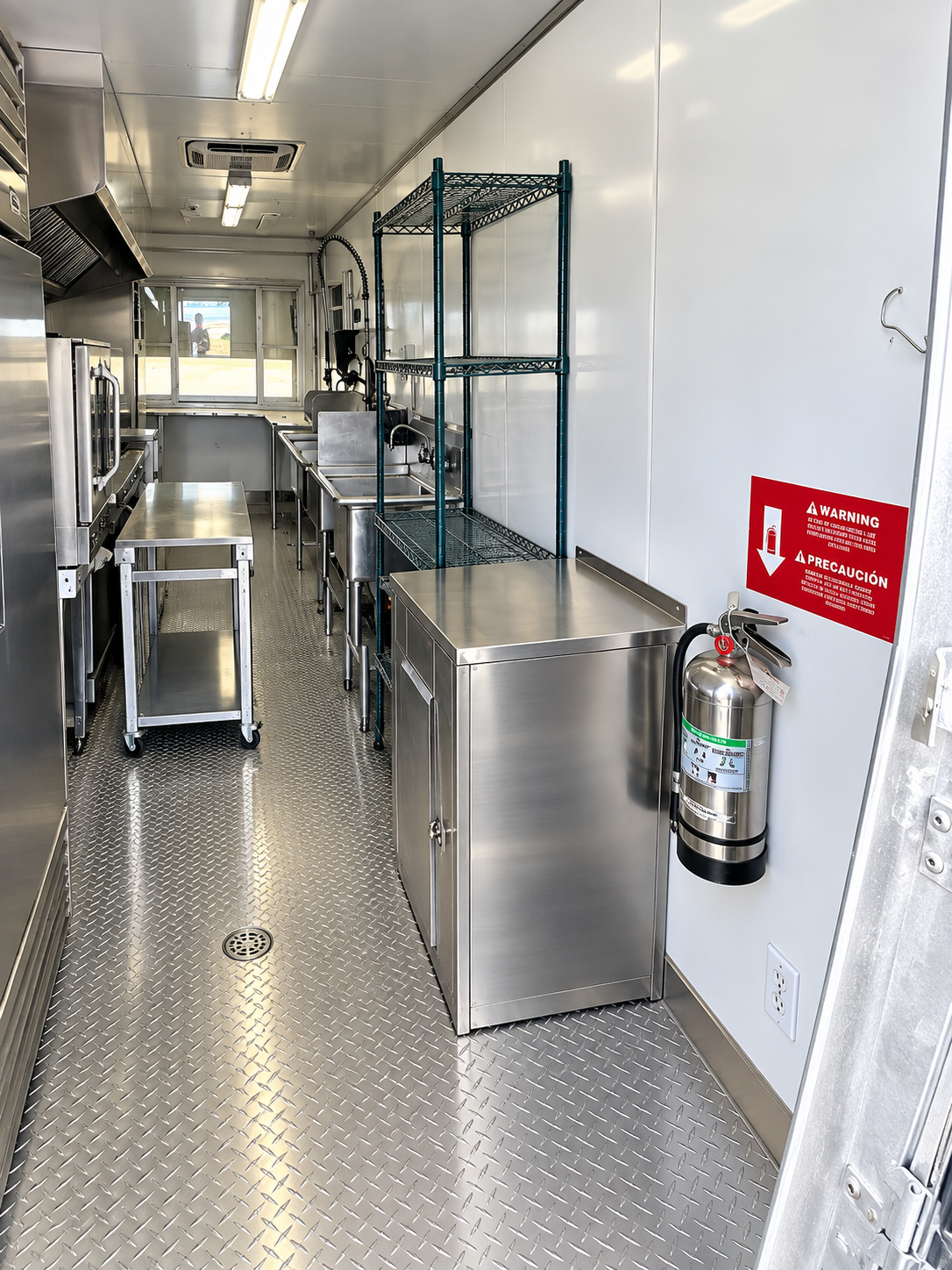
- Kitchen equipment from
- $6,390/month · 24 ft
- Delivery planning
- Delivery schedule confirmed in your quote
Choose the functions your team needs.
For Gainesville, begin with the cooking line and the people working it. Compare a kitchen with the washing and cold storage that may also need a place in the setup.
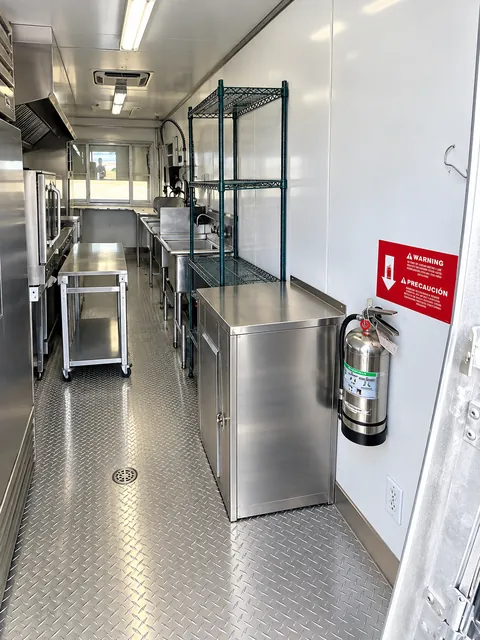
24ft Mobile Kitchen Trailer
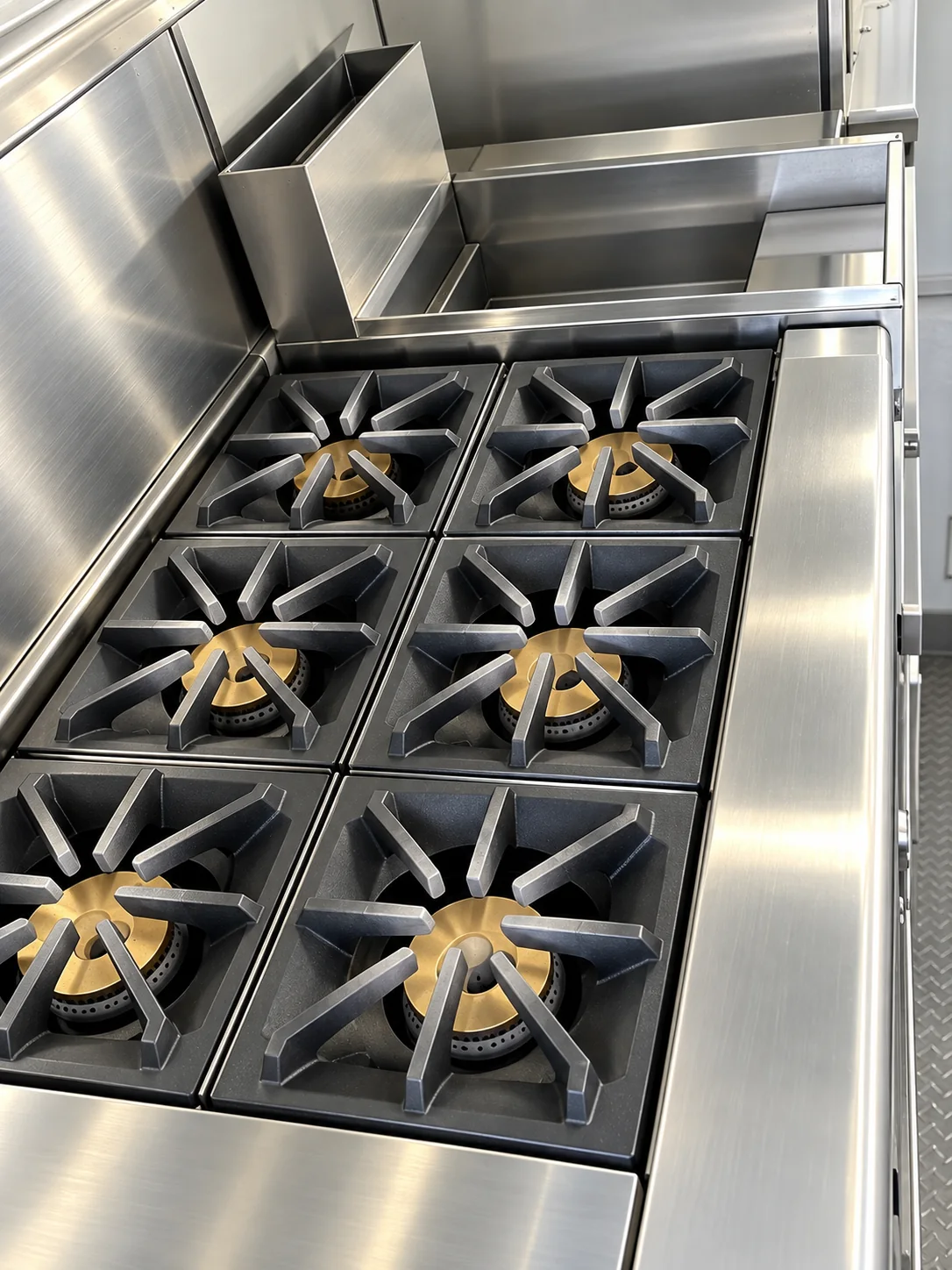
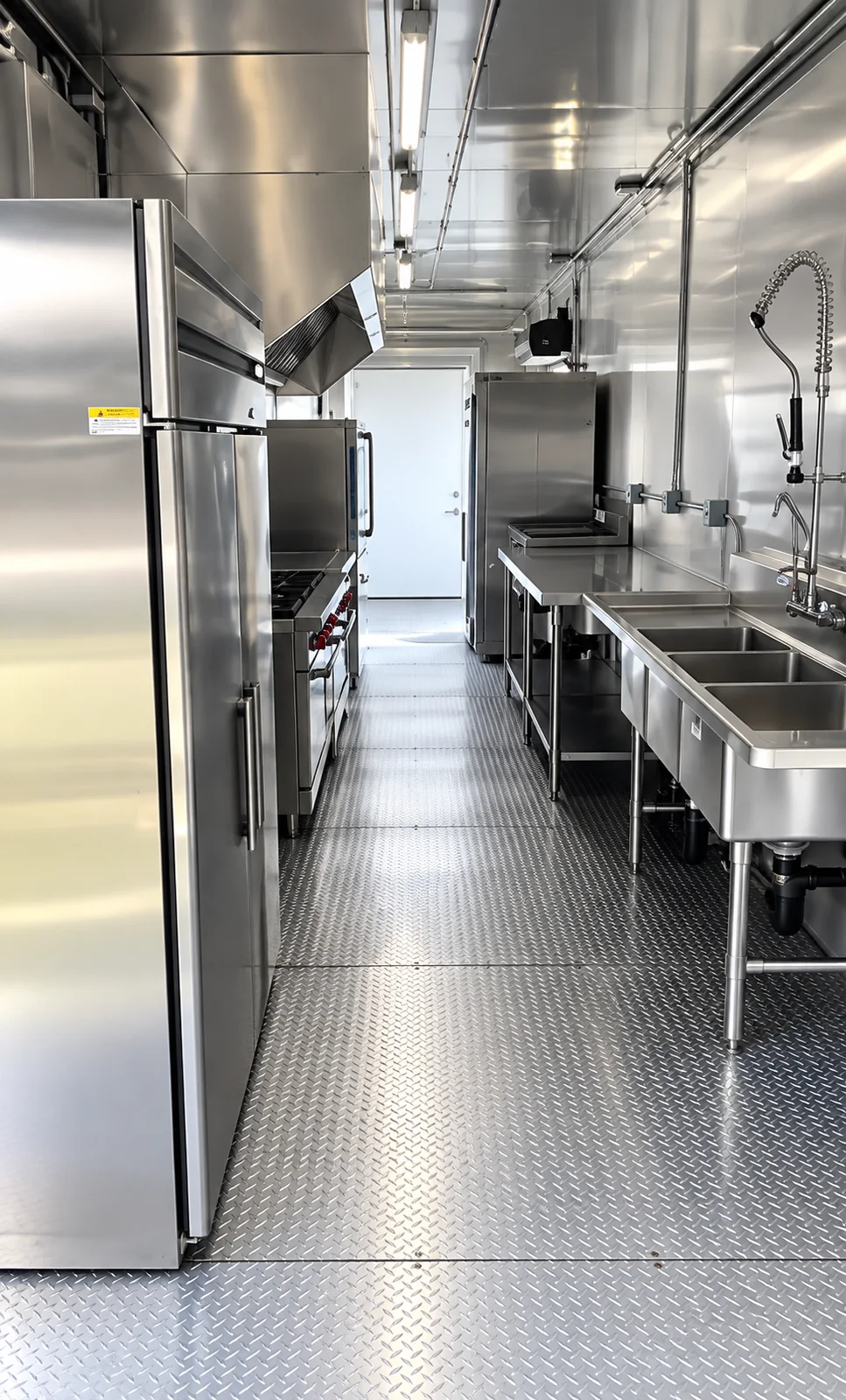
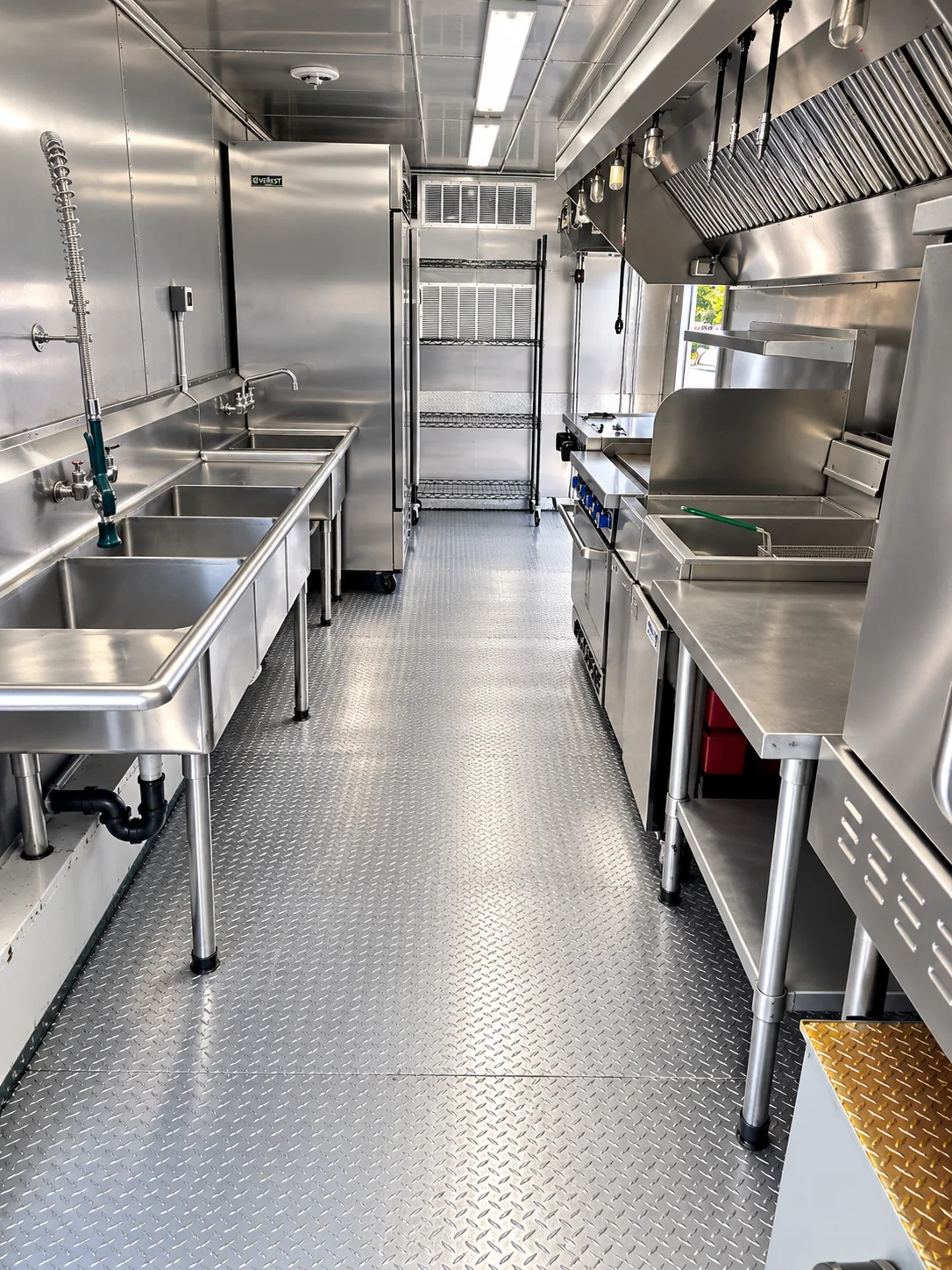
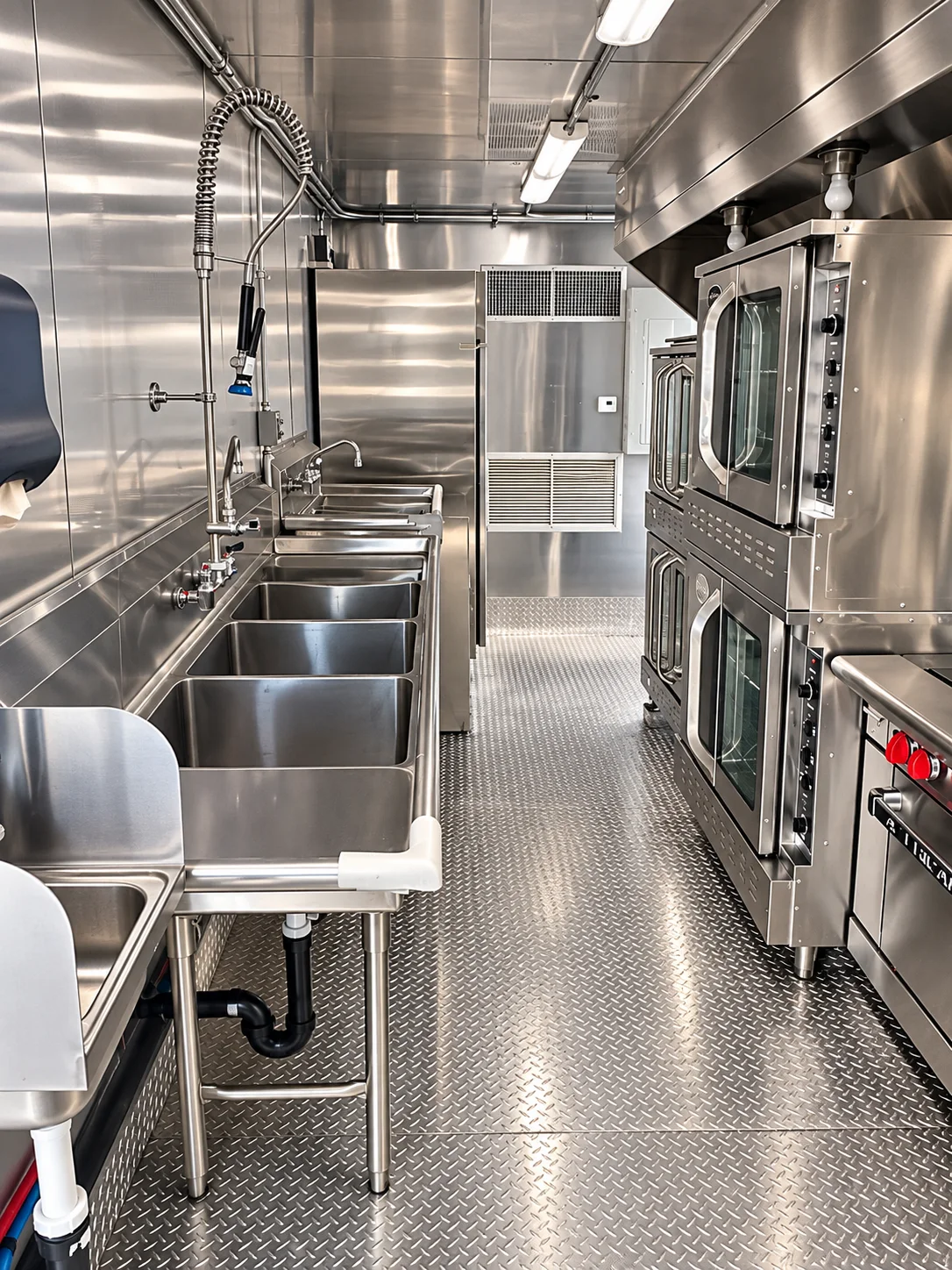
For a temporary mobile kitchen trailer rental in Alabama, keep a familiar oven, griddle, and range workflow in a compact temporary kitchen, with reach-in cold storage and sinks close to the cooking line.
View model details ↗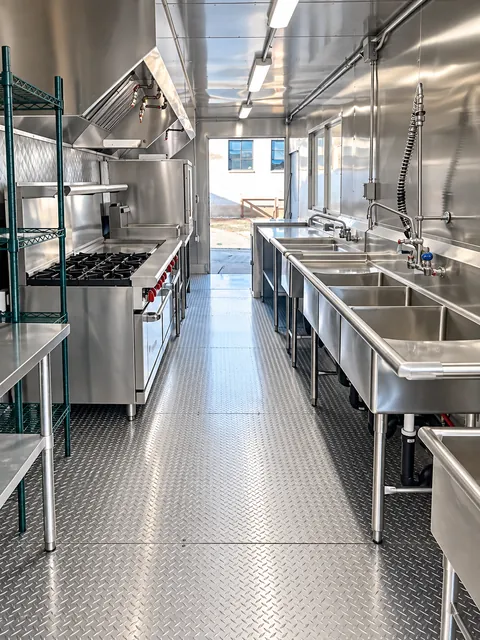
28ft Mobile Kitchen Trailer
For a portable mobile kitchen trailer rental in Alabama, bring oven, griddle, and range work into a 28ft temporary layout. Compare the working positions and handoff to service with the way your team actually cooks.
View model details ↗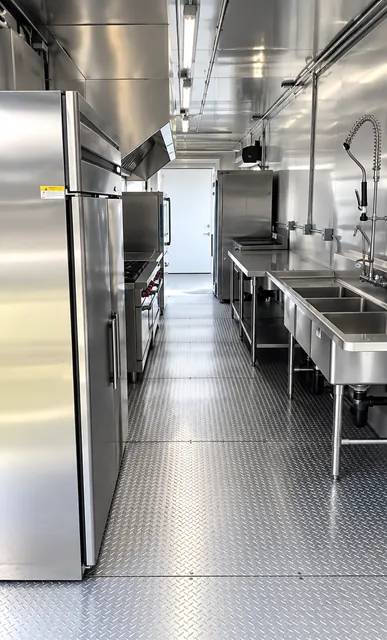
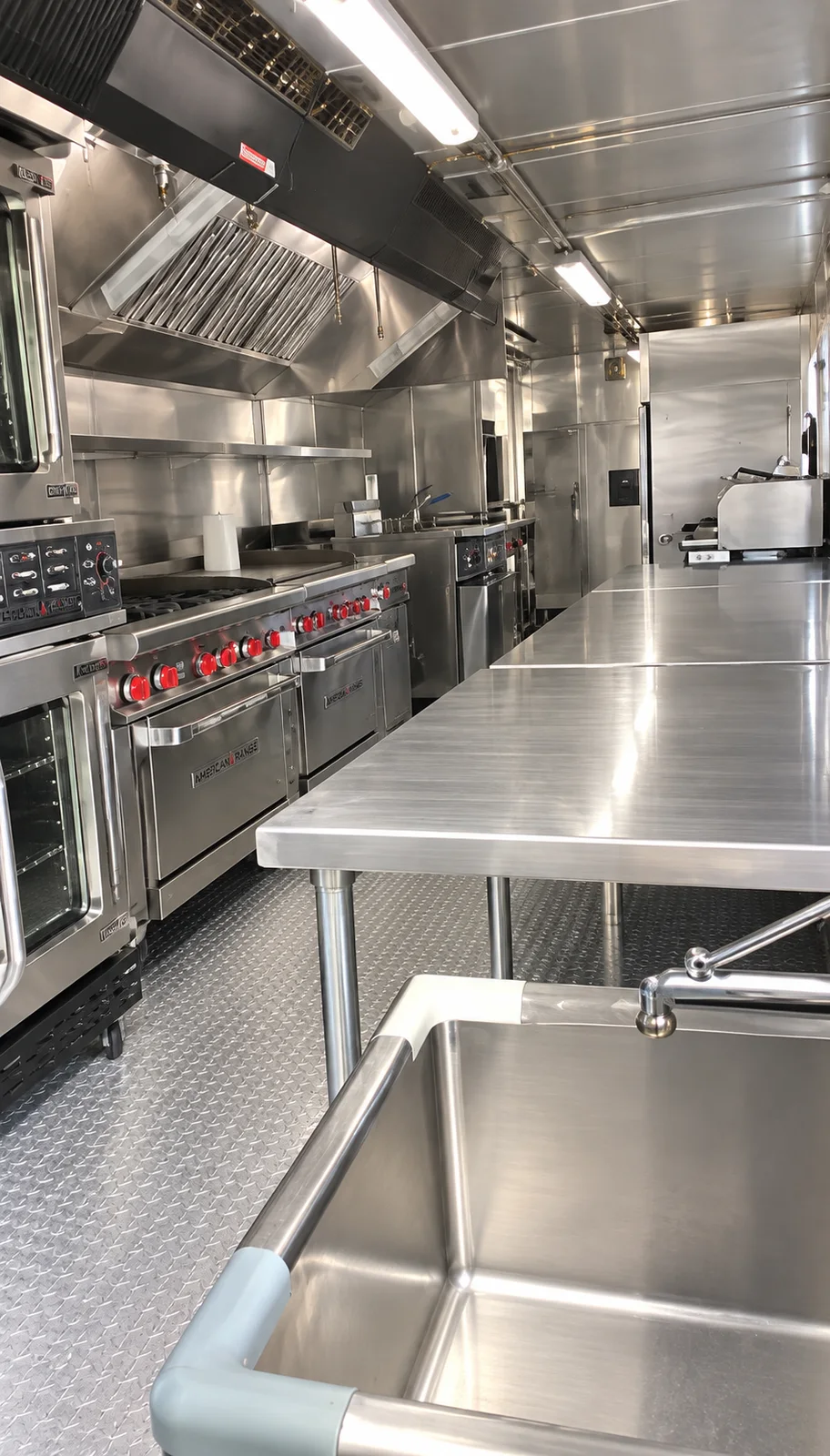
38ft Mobile Kitchen Trailer
For emergency mobile kitchen trailer rental in Alabama, combine frying, baking, griddle, and range cooking in a longer kitchen layout with reach-in refrigeration and freezer storage.
View model details ↗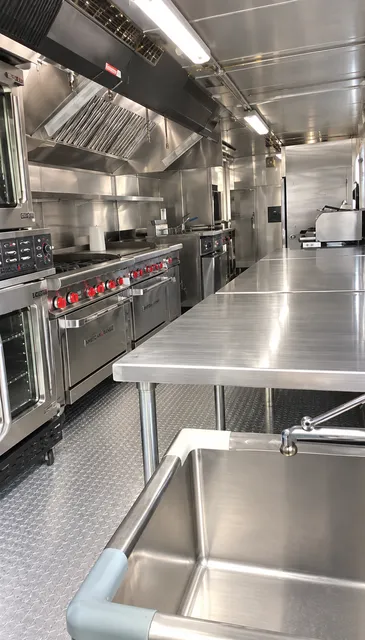
40ft Mobile Kitchen Trailer
For a commercial mobile kitchen trailer rental in Alabama, choose a broader cooking mix: double-stack convection oven, tilting skillet, fryer, griddle/oven, and range/oven, supported by reach-in cold storage.
View model details ↗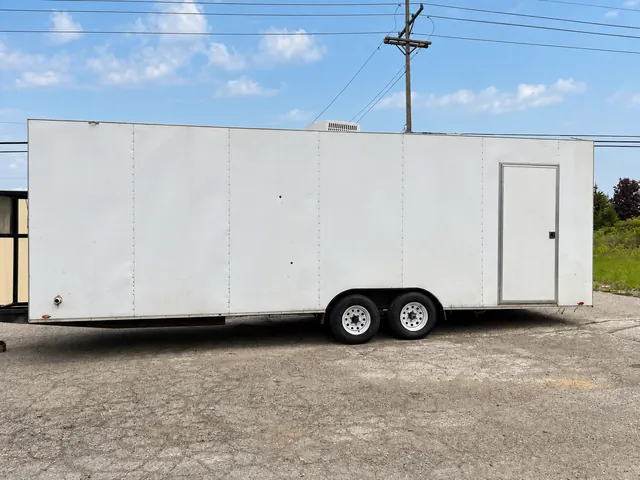
22–26ft Low-Temp Dishwashing Trailer
For a commercial dishwashing trailer rental in Alabama, move dish returns into a separate low-temperature push-through workspace. Compare the 22ft, 24ft, and 26ft layouts by the jobs around the machine.
View model details ↗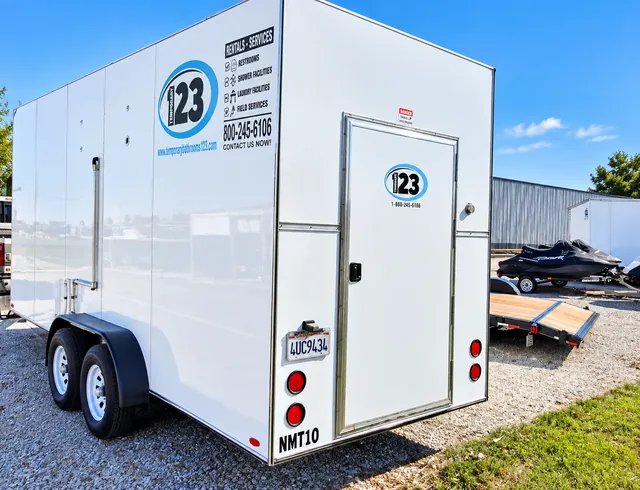
20ft Refrigerated Trailer
For a portable refrigerated trailer rental in Alabama, create temporary cold storage for a stock transfer, kitchen closure, or catered operation. Specify the holding temperature before choosing the 20ft unit.
View model details ↗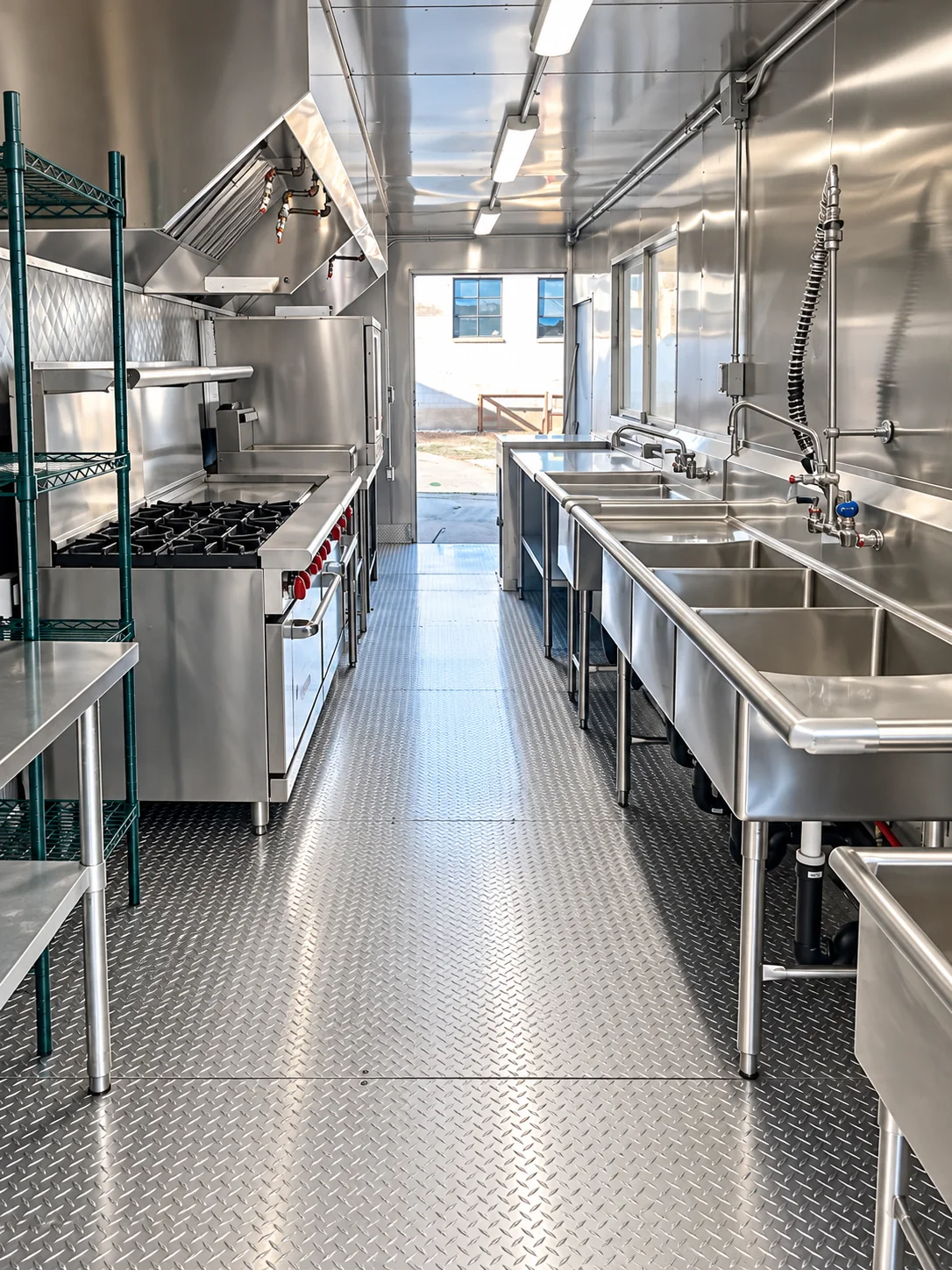
An Explosion Injured a Worker at Buchanan Lumber in 2022
An explosion at Buchanan Lumber on Baptist Line Road in Aliceville sent one person to the hospital on March 5, 2022.
York’s sewer overhaul plan included several pumping stations
York: In June 2026, Mayor Renee Pringle told WTOK that the city had ordered materials for an initial wastewater-pumping-station phase and expected to address four or five stations.
Start with the work.
Then choose the footprint.
Use length to narrow the options, then compare the cooking line, storage and power example for your Gainesville, Alabama site. Models of the same length can have different equipment packages.
9 configurations to explore
Open the kitchen collectionThese are configuration examples. Your quote confirms the assigned unit, its equipment and the connections your site must provide.
Moses Lewis laid out Gainesville in 1835
Moses Lewis founded Gainesville in 1835 after buying 640 acres on the Tombigbee River and laying out town lots. He named the settlement for George Strother Gaines, a federal agent to the Choctaw; a mobile kitchen trailer can support meal service for crews on present-day riverfront work near the original town site.
Lewis's purchase gave Gainesville an early street plan and a river landing, shaping the community before it became a major cotton port.
Local background sources
A Gainesville women's school became a Civil War hospital
After the Battle of Shiloh, about 250 Confederate soldiers were taken to a women's school in Gainesville for treatment; those who died were buried in the town's Confederate cemetery. Modular kitchen facilities can support a cemetery preservation project or volunteer workday without disturbing the burial grounds.
The school and cemetery preserve local traces of wartime medical care and its human cost.
Local background sources
Put a rate beside each kitchen size.
Use these listed starting rates to frame the Gainesville budget conversation. The working layout, equipment requirements, and site still need a review before a size is selected.
24 ftMobile kitchen
Starting at$6,390per month
Review 24 ft kitchen options26 ftMobile kitchen
Starting at$6,590per month
Review 26 ft kitchen options28 ftMobile kitchen
Starting at$6,790per month
Review 28 ft kitchen options38 ftMobile kitchen
Starting at$7,790per month
Review 38 ft kitchen options40 ftMobile kitchen
Starting at$7,990per month
Review 40 ft kitchen options
Delivery, setup, site work, taxes, minimum duration, and final availability are confirmed separately in the project quote.
Boligee’s railroad-era center shifted as construction advanced
Railroad construction began near Boligee in 1853 and was completed in 1870; the town center shifted toward the line as the railroad brought new access.
French engineers began Fort Tombecbe on the bluff near Epes
In 1736, French officer Joseph Christophe de Lusser began building Fort Tombecbe on an 80-foot bluff along the Tombigbee River near present-day Epes.
Neighbors and Relief Groups Help Pickens County Rebuild
McMullen: After the 2016 tornado, Pickens County emergency managers described recovery as a community-wide effort, with neighbors and relief organizations assisting households whose homes were damaged or uninhabitable.
A Ferry Also Carried the Name Memphis
The historical account of Memphis notes that a ferry on the Tombigbee shared the town’s name, connecting people and goods across the river.
Tombigbee River trade made Gainesville a major cotton port
By the mid-nineteenth century, Gainesville had become one of the Tombigbee's important river ports; in some years it was the world's largest cotton-shipping port. A mobile kitchen facility can serve dock or shoreline crews during riverfront construction without sending them far from a work zone.
Steamboats connected the inland cotton trade with markets farther south, giving the riverfront a central role in local business.
Local background sources
Forrest surrendered to Canby in Gainesville on May 9, 1865
Confederate Gen. Nathan Bedford Forrest surrendered to Union Gen. Edward S. Canby in Gainesville on May 9, 1865. A mobile kitchen trailer can support crews preparing a public historic site or visitor area around the surrender's location while access and grounds work continue.
The meeting came weeks after the Confederacy's collapse elsewhere and is remembered as a closing chapter of the Civil War in Alabama.
Local background sources
A railway land company drew settlers to Geiger in 1909
Geiger: When the Alabama, Tennessee and Northern Railway cut through the area in 1909, W.
Racial violence in July 1930 devastated the Robinson family in Emelle
A dispute at a store in Emelle on July 5, 1930, escalated into mob violence against the Robinson family.
The 2023 tornado at Oak Village
On January 12, 2023, an EF-2 tornado crossed the Oak Village area near Akron and Lock 8 on the Black Warrior River.
Cuba’s early railroad boom added hotels and a Masonic Lodge
After the railroad line was completed, Cuba saw a building boom that added stores, a hotel, and a Masonic Lodge.
Demopolis planned downtown sewer rehabilitation in its 2025 funding list
ADEM’s 2025 Clean Water State Revolving Fund priority list included a Demopolis downtown sanitary-sewer rehabilitation project.
Main Street homes made Gainesville known as Yankee Street
During Gainesville's growth, Northern settlers acquired houses along Main Street, leading the area to be called Yankee Street. A neighborhood preservation project would benefit from modular kitchen facilities that let contractors work close to the historic homes without using them for meal service.
The nickname reflected migration and property ownership in a town whose prosperity was tied to shipping cotton through the Tombigbee port.
Local background sources
An 1855 fire destroyed 30 buildings in Gainesville
An accidental fire in 1855 destroyed 30 of Gainesville's original buildings, including the mayor's office and post office. For a present-day fire or restoration project in an older district, an emergency portable kitchen can help sustain crews as buildings are assessed and repaired.
The loss reshaped the town center during a period when Gainesville was still a major river and cotton-trading community.
Local background sources
The Renovated UWA Locker Room Added Space for a Full Football Roster
Livingston: The Homer Field House locker room project added 116 lockers, showers, a team meeting area and a dedicated career-development office for UWA athletes.
Greene County moved its seat from flood-prone Erie to Eutaw
In 1838, Greene County transferred its government from Erie to Eutaw after flooding and disease repeatedly affected the former seat.
The Tom Bevill Visitor Center Added a Place to See the Montgomery Up Close
Pickensville: After restoration, the Montgomery was placed at the Tom Bevill Visitor Center so visitors could tour the snagboat and learn how it worked.
State Highways 17 and 86 meet in Carrollton
Carrollton sits at the intersection of State Highway 17, which runs north to south, and State Highway 86, which runs east to west.
Moundville Replaces Aging Market Street Water Lines
ADECA announced a $500,000 Appalachian Regional Commission grant for Moundville’s downtown infrastructure work in February 2025.
Give the quote team a useful brief.
A few decisions make the Gainesville conversation more practical. Gather the details that will shape the equipment, setup, and rental period.
Describe a full service.
List the menu, meals per service, staff working at once, and kitchen functions that will be unavailable. Include dishwashing, storage, and preparation work in that picture.
Walk the site on paper.
Record the delivery route, placement area, working clearances, and connections. A simple site plan helps put the trailer, staff access, and supporting facilities in the same conversation.
Put the dates together.
Bring the proposed rental period, construction or event milestones, and expected return to regular service. Confirm the equipment and delivery schedule through the project quote.
Baldwin opened a law office in Gainesville in 1837
A law office opened in Gainesville in 1837, part of the professional life that accompanied the town's rapid growth. For restoration work on a historic downtown building, a temporary kitchen facility can give tradespeople a nearby break area while the interior is repaired.
Gainesville soon had other prominent legal offices, including Edmund Pettus's practice, which operated from 1842 to 1851.
Local background sources
A cannon thrown into the Tombigbee was recovered near Gainesville
A cannon was thrown into the Tombigbee River to keep it from capture during the Civil War and recovered in the early twentieth century. A portable kitchen trailer can serve restoration crews working on river access or a history display while the artifact and its setting are prepared for visitors.
The recovered cannon links the river, military history and later preservation work in Gainesville.
Local background sources
Gainesville Bank issued its own currency in 1835
The Gainesville Bank opened in the town's founding year and issued its own currency, an early sign of the commerce gathering around the Tombigbee. A portable kitchen trailer can keep a modern construction crew fed near a historic commercial district while work proceeds around older buildings.
The town's bank, law offices and stores grew alongside river trade, making Gainesville one of antebellum Alabama's busy settlements.
Local background sources
Virginia Hill school opened in Gainesville in 1843
Gainesville's first school opened at Virginia Hill in 1843, bringing formal education to a town whose population and commerce were expanding. A commercial kitchen trailer can help contractors keep lunch close during school-site repairs when permanent food areas are unavailable.
The school was one part of a growing civic landscape that also included churches, businesses and law offices.
Local background sources
Union received a grant for a new community center
In early 2026, ADECA awarded the Town of Union $398,541 to construct a 40-by-50-foot community center on town-owned land behind Town Hall.
Forkland’s first mayor was remembered at the town’s bicentennial gathering
The 2019 festival displayed photographs of Jim Isaac Jr., whom the Greene County Democrat identified as the first mayor of Forkland after incorporation, around 1975 or 1976.
Walker Evans and James Agee Document the Depression
During the Great Depression, photographer Walker Evans and writer James Agee used Greensboro as a base while documenting the lives of three sharecropper families in the surrounding county.
Land Grants and a Name from Mexico
Present-day Gordo lies on land included in early U.S. land grants issued around 1821.
Before the Gainesville plan takes shape.
Which rate should I use for an early budget?
The smallest listed kitchen is 24 ft, with a starting monthly equipment rate of $6,390. Compare the other listed sizes before choosing a budget allowance. Delivery, setup, site work, taxes, minimum duration, and final availability are confirmed separately in the project quote.
How is delivery timing set for Gainesville?
Share the Gainesville, Alabama address, target start date, chosen size, and access notes. Equipment availability and delivery timing are confirmed in the project quote.
What comes with a kitchen?
Each kitchen includes a stove, oven, and essential cooking utensils. Additional equipment options are available through 24/7 support.
When should I include washing or cold storage?
Include those functions in the discussion when existing washing or storage space will be unavailable, or when the cooking setup needs separate capacity. Review the equipment, connections, sanitation requirements, and availability with the rental team.
What makes a useful site brief?
Bring the address, dates, menu, meal counts, staff needs, delivery access, placement area, and available utilities. Add a site contact and review applicable permit and inspection requirements with the responsible local authority.
Bring us the Gainesville brief.
Address, dates, menu, and working space: those details give the rental conversation a useful starting point. Add the facilities you need and confirm the rest in your quote.