
Temporary Mobile Kitchen Trailer Rental for Fort Payne, Alabama Projects
A kitchen closure does not pause the meal schedule. For your Fort Payne project, start with the menu, busiest service, and space your team needs. Those details help size a temporary mobile kitchen trailer rental and its supporting washing or cold storage.
Call to confirm equipment availability for Fort Payne.
Explore Fort Payne kitchen projects ↓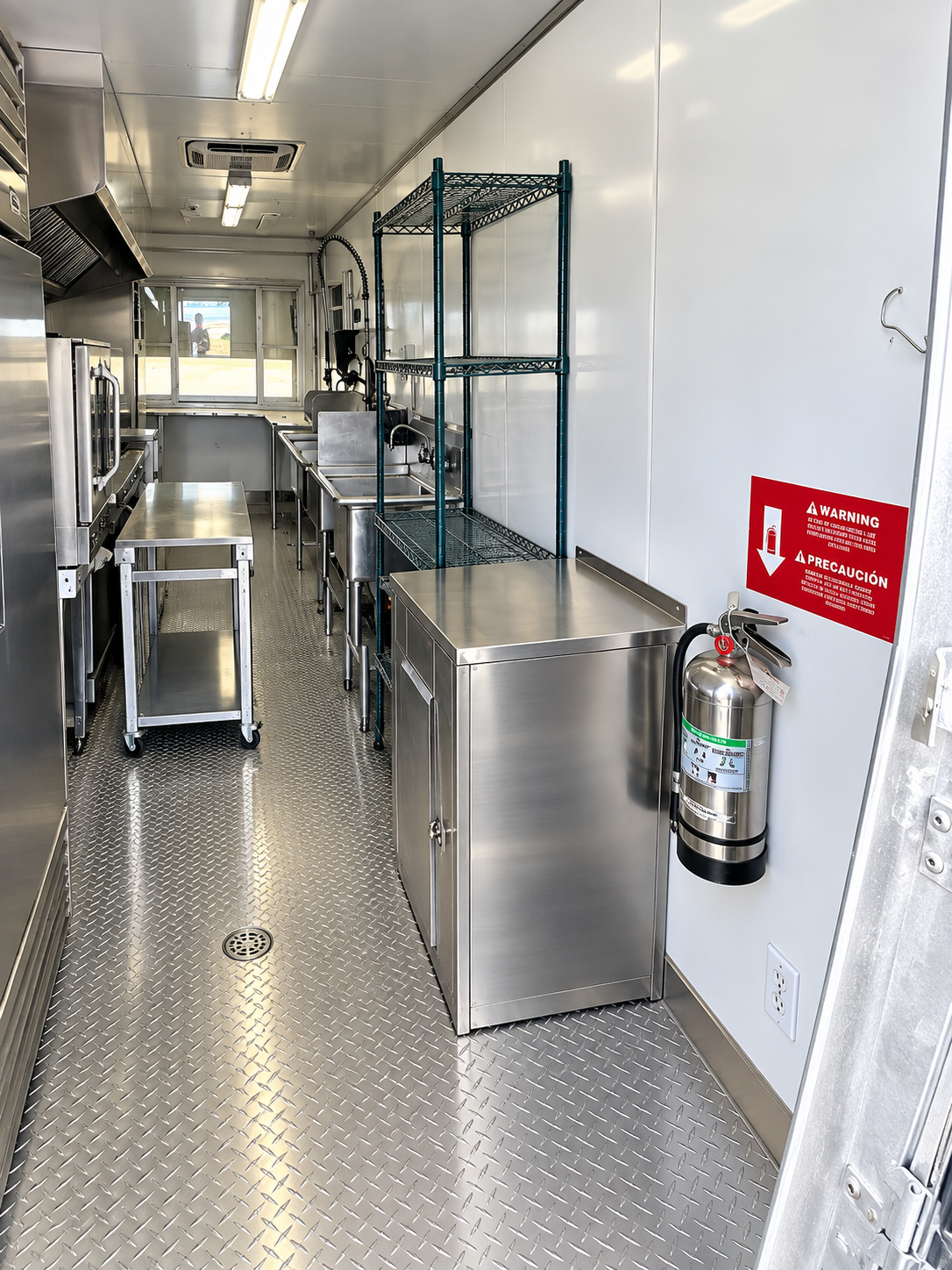
- Kitchen equipment from
- $6,390/month · 24 ft
- Delivery planning
- Delivery schedule confirmed in your quote
Choose the functions your team needs.
For Fort Payne, begin with the cooking line and the people working it. Compare a kitchen with the washing and cold storage that may also need a place in the setup.
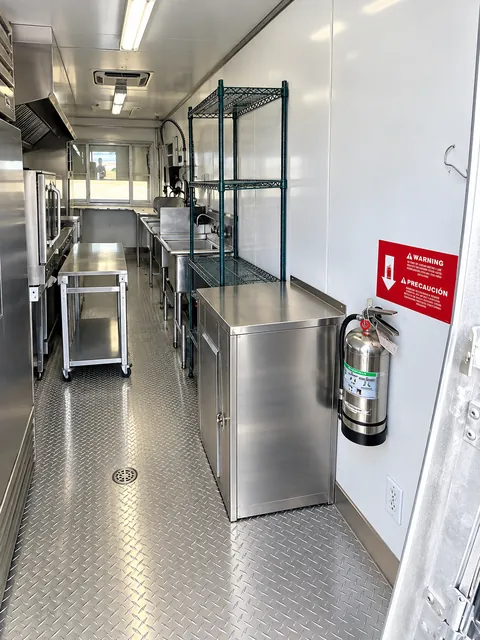
24ft Mobile Kitchen Trailer
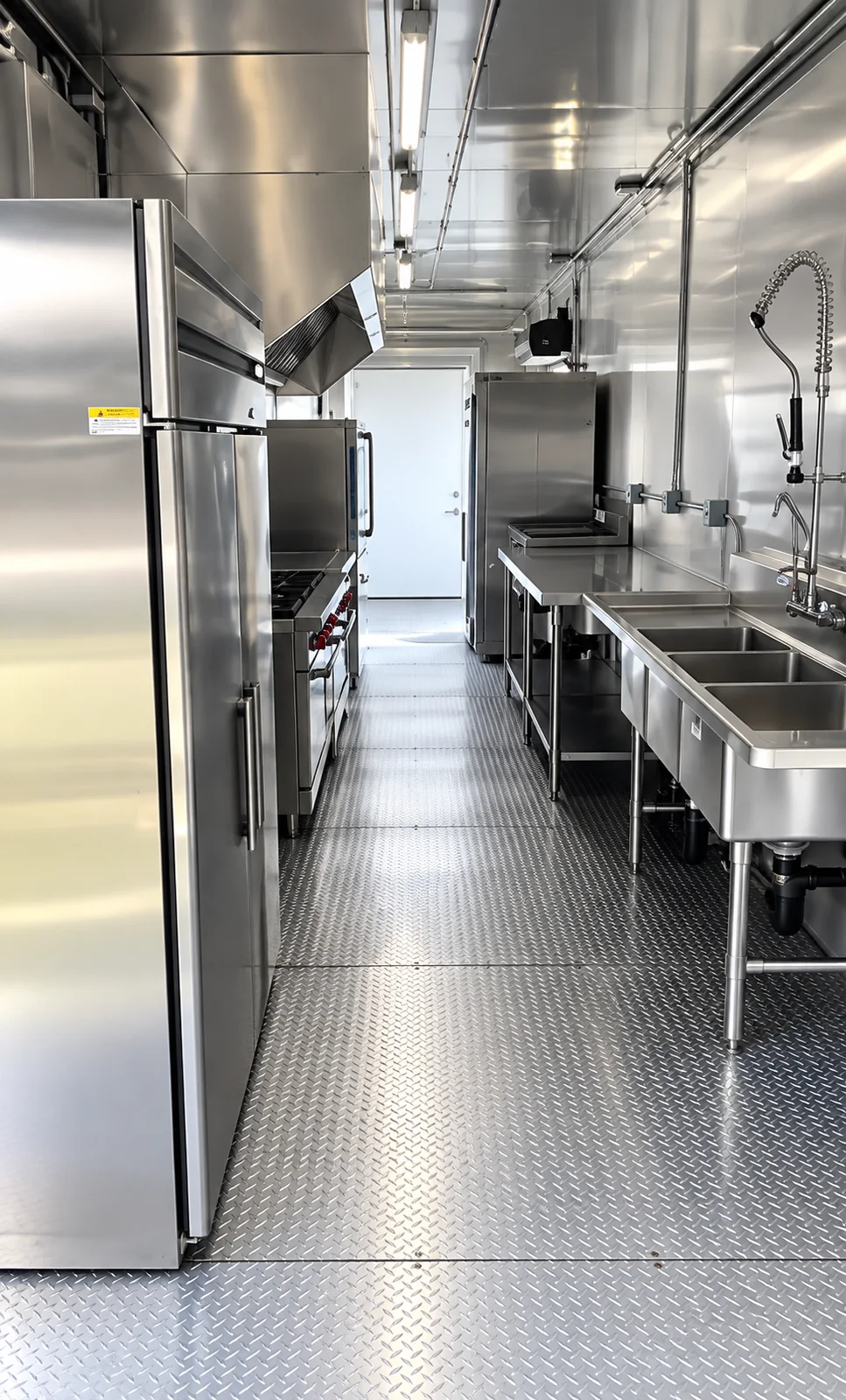
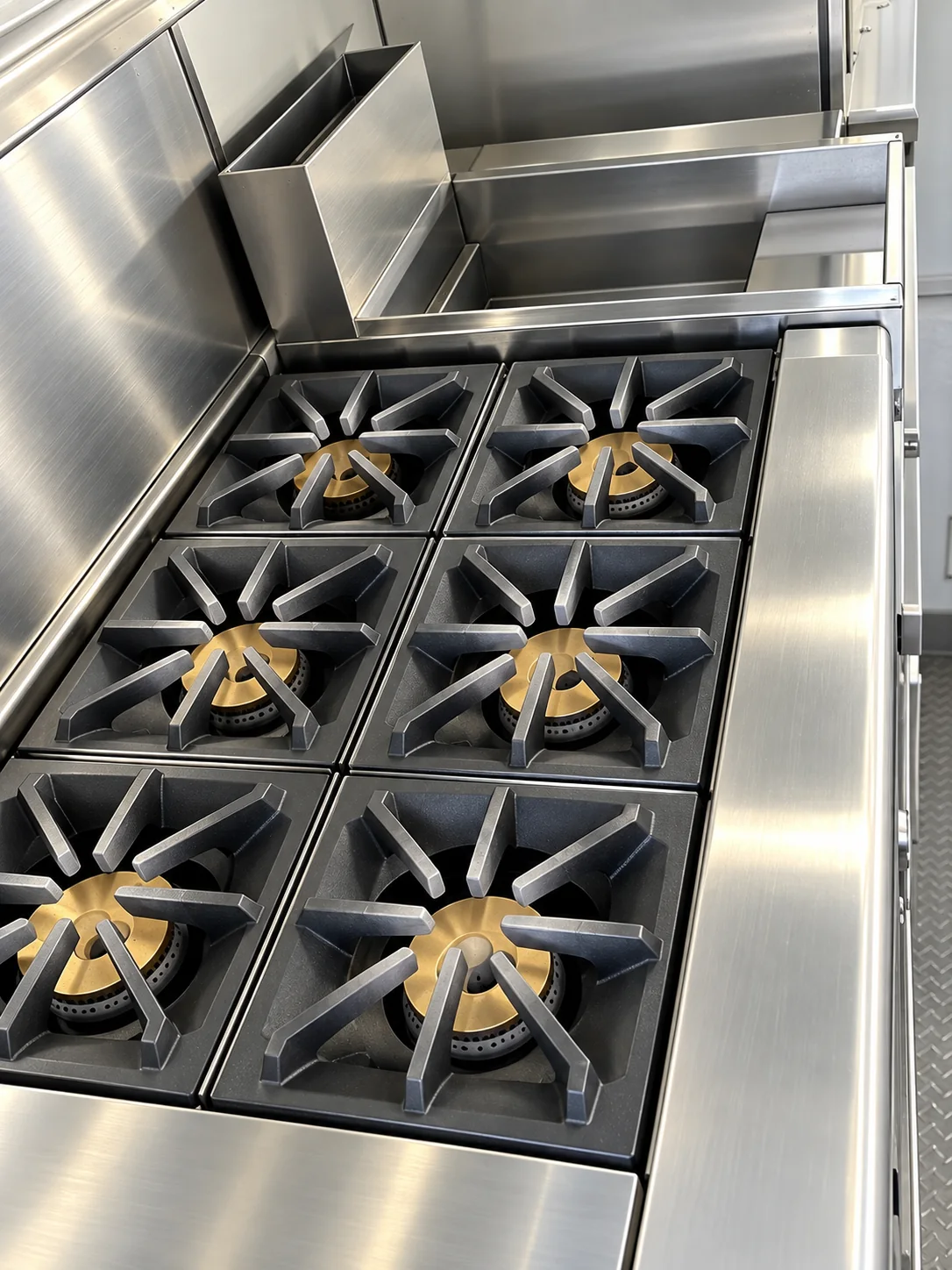
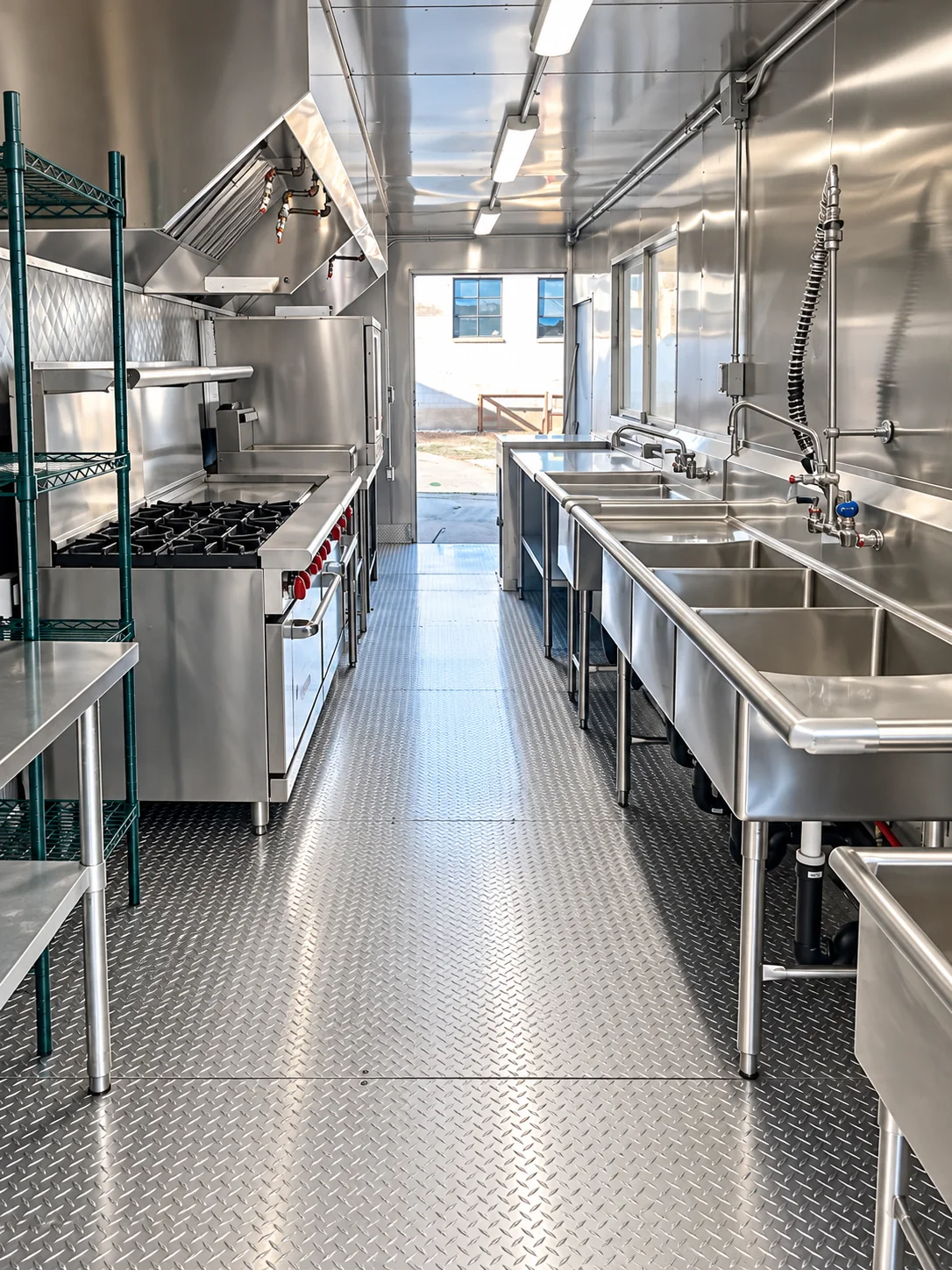
For a temporary mobile kitchen trailer rental in Alabama, keep a familiar oven, griddle, and range workflow in a compact temporary kitchen, with reach-in cold storage and sinks close to the cooking line.
View model details ↗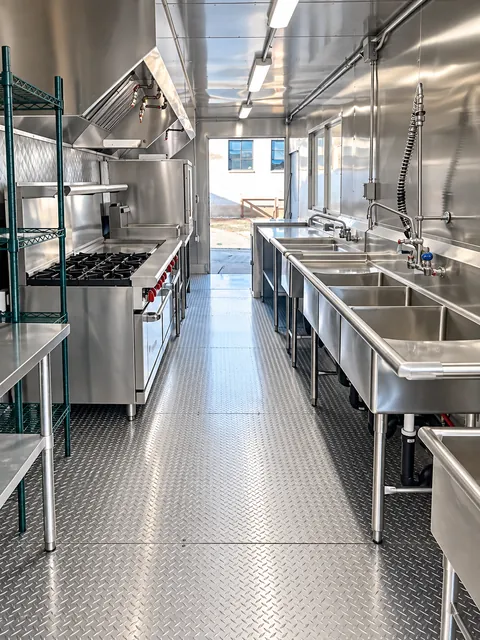
28ft Mobile Kitchen Trailer
For a portable mobile kitchen trailer rental in Alabama, bring oven, griddle, and range work into a 28ft temporary layout. Compare the working positions and handoff to service with the way your team actually cooks.
View model details ↗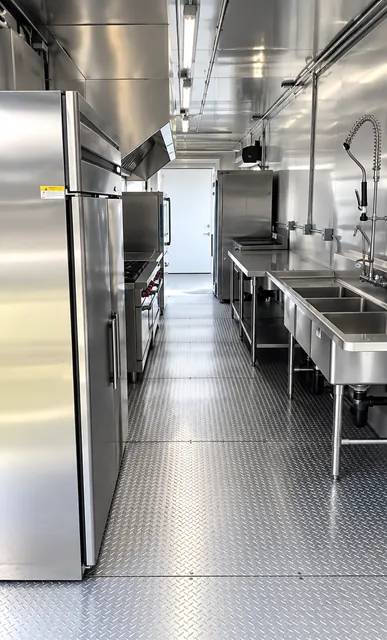
38ft Mobile Kitchen Trailer
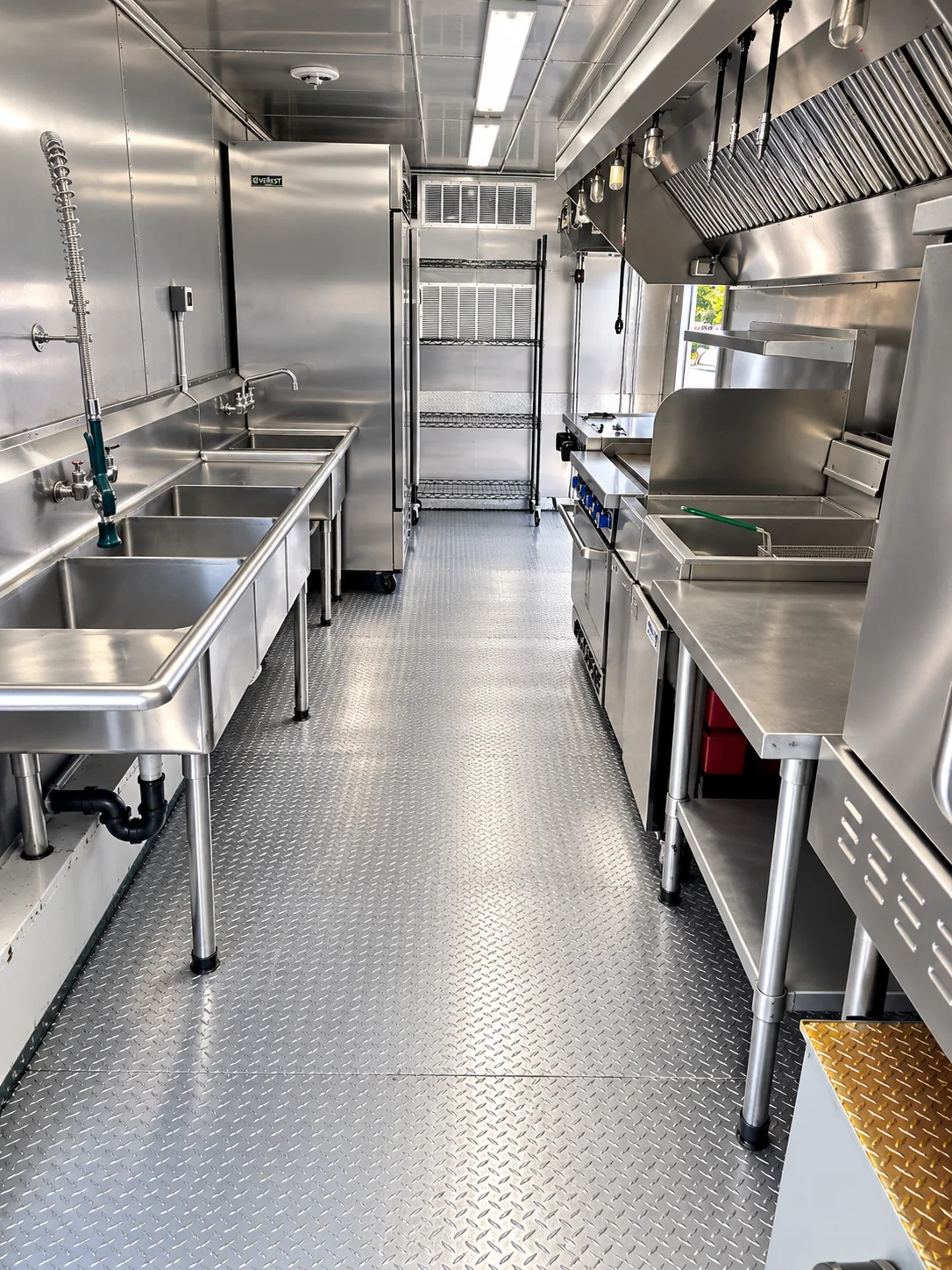
For emergency mobile kitchen trailer rental in Alabama, combine frying, baking, griddle, and range cooking in a longer kitchen layout with reach-in refrigeration and freezer storage.
View model details ↗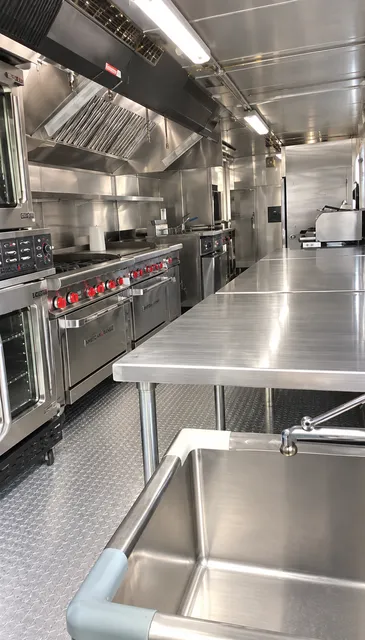
40ft Mobile Kitchen Trailer
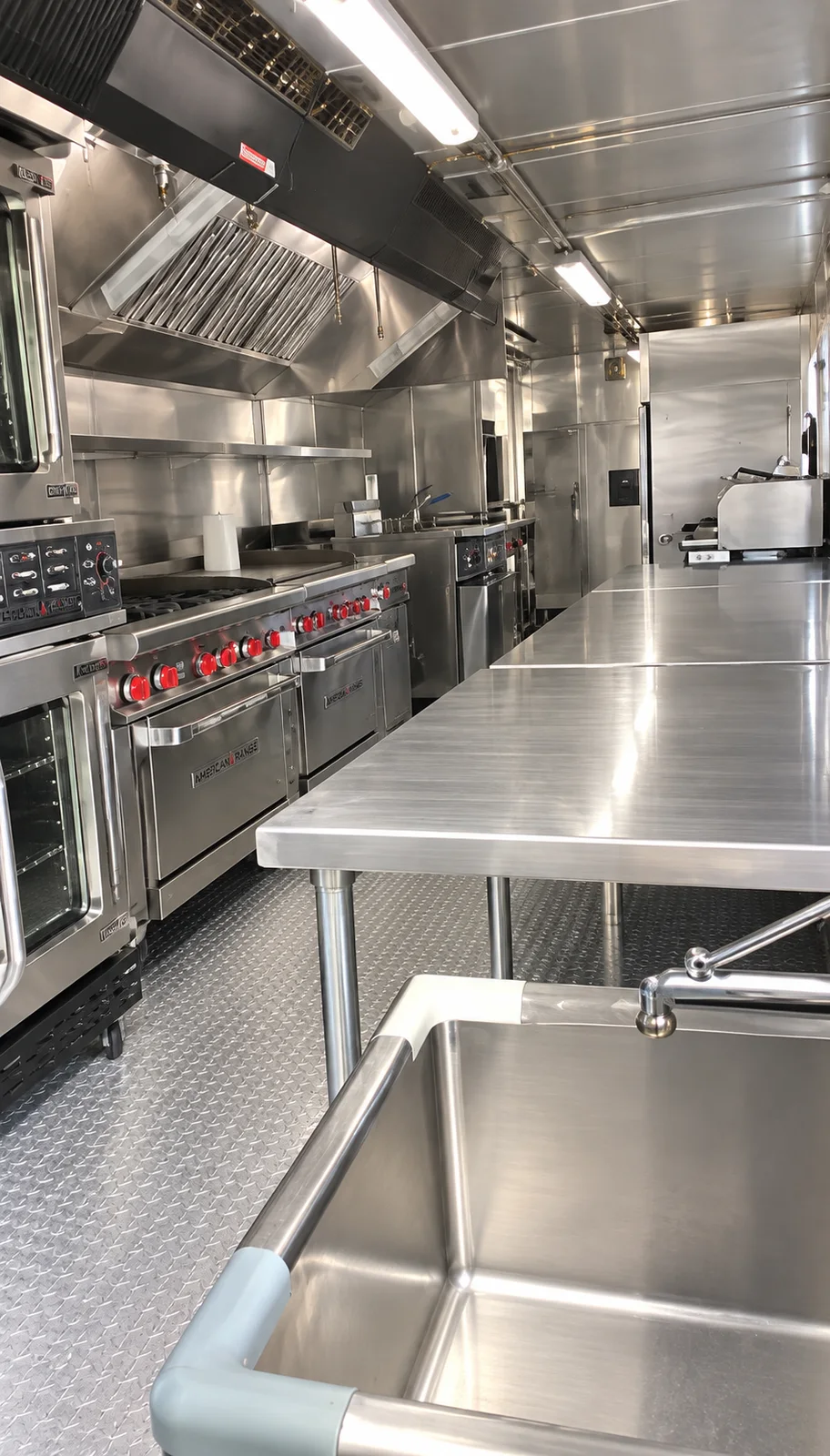
For a commercial mobile kitchen trailer rental in Alabama, choose a broader cooking mix: double-stack convection oven, tilting skillet, fryer, griddle/oven, and range/oven, supported by reach-in cold storage.
View model details ↗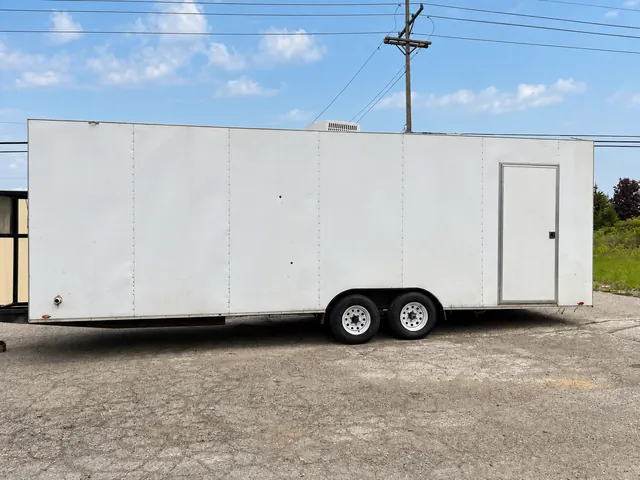
22–26ft Low-Temp Dishwashing Trailer
For a commercial dishwashing trailer rental in Alabama, move dish returns into a separate low-temperature push-through workspace. Compare the 22ft, 24ft, and 26ft layouts by the jobs around the machine.
View model details ↗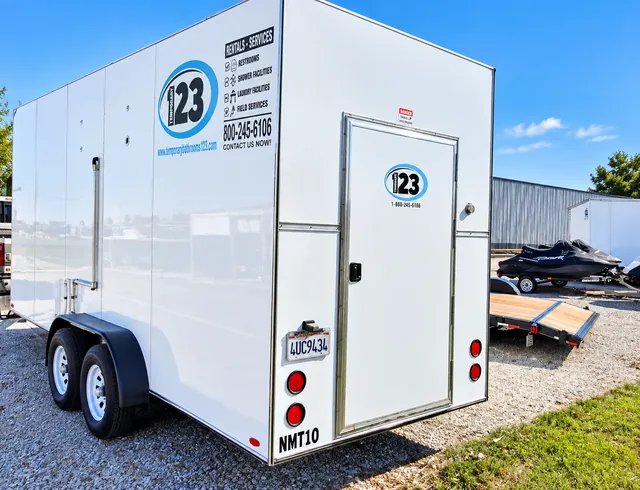
20ft Refrigerated Trailer
For a portable refrigerated trailer rental in Alabama, create temporary cold storage for a stock transfer, kitchen closure, or catered operation. Specify the holding temperature before choosing the 20ft unit.
View model details ↗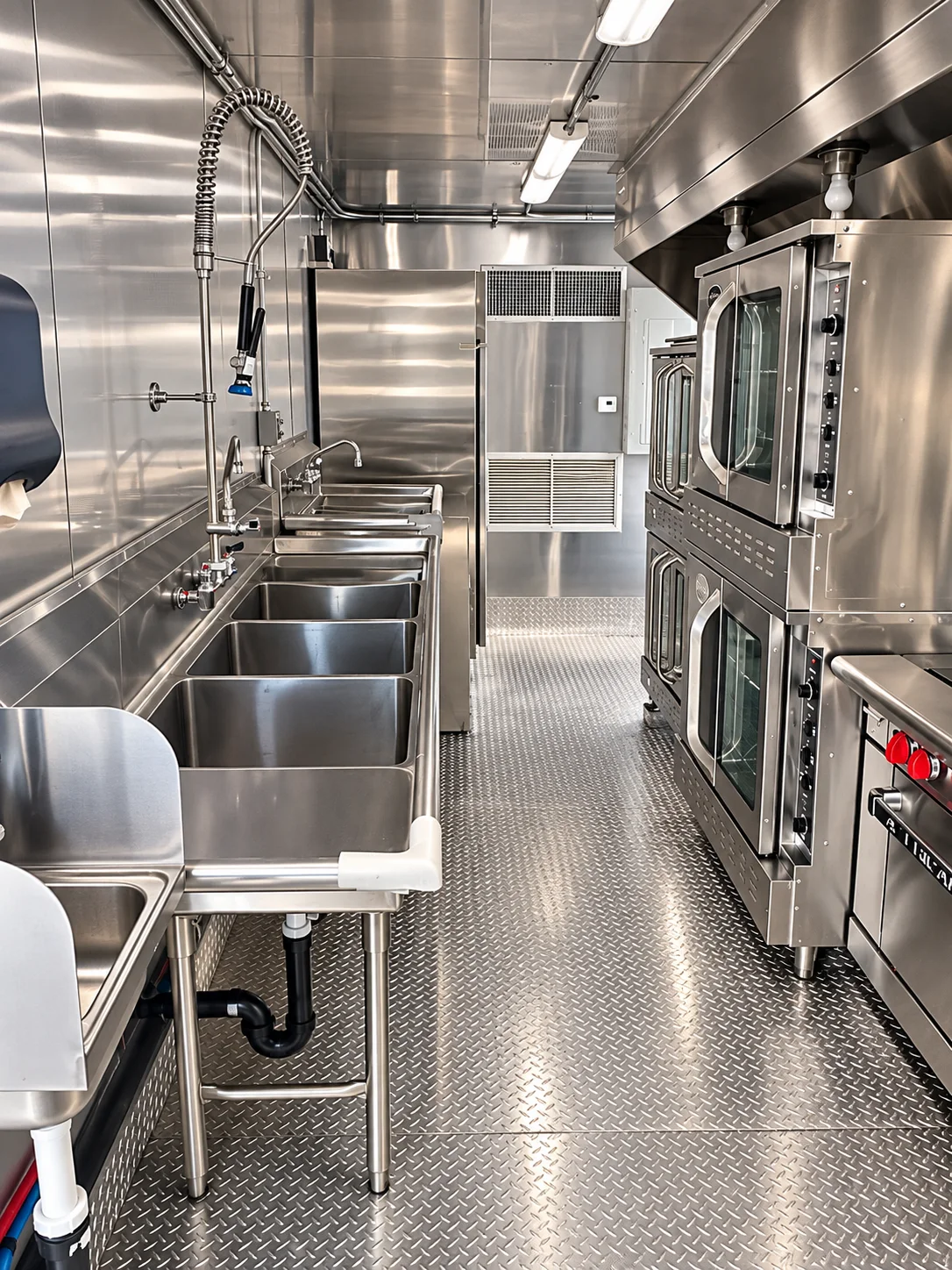
State Highway 35 Connects Pine Ridge Through DeKalb County
State Highway 35 runs northwest to southeast through Pine Ridge, while Interstate 59 lies just east of town.
Crews rebuilt a slide-damaged section of Alabama 117
Heavy rain in April 2021 destabilized a roughly 300-foot section of Alabama 117 between Mentone and Valley Head.
The post office suggested the name Fyffe around 1900
The name Fyffe was suggested by the Post Office Department around 1900, according to the DeKalb County historical account.
Nearby Departments Answered After the Powell Firehouse Burned
When the Powell station burned in 2004, several surrounding fire departments responded.
Iron deposits near Gaylesville supplied Cornwall Furnace
Iron ore near Gaylesville was mined and processed at Cornwall Furnace, a charcoal-fueled operation that became an important local industrial site.
Start with the work.
Then choose the footprint.
Use length to narrow the options, then compare the cooking line, storage and power example for your Fort Payne, Alabama site. Models of the same length can have different equipment packages.
9 configurations to explore
Open the kitchen collectionThese are configuration examples. Your quote confirms the assigned unit, its equipment and the connections your site must provide.
Florence Knitting opened in Fort Payne with 30 machines in 1907
Florence Knitting Company opened its doors in Fort Payne at 6:30 a.m. on October 16, 1907, with 30 knitting machines. A factory opening puts operators, builders and suppliers on long shifts from the start. A mobile kitchen trailer can give an industrial crew a practical meal service point during plant work, expansions or equipment upgrades.
Hosiery production gave the town a new industrial base after the earlier mineral boom faded, and the business helped launch the industry for which Fort Payne became widely known.
Local background sources
Fort Payne’s Opera House was built in 1889 and later restored
The Fort Payne Opera House was built in 1889 for the growing boomtown. Restoration work and performance nights bring different crews and audiences into the same historic space. A temporary kitchen facility can handle meal service outside the venue, keeping the opera house’s original rooms available for preservation and shows.
Landmarks of DeKalb County, a local preservation nonprofit, later made the purchase and restoration of the opera house its first major achievement, returning the downtown building to public use.
Local background sources
Put a rate beside each kitchen size.
Use these listed starting rates to frame the Fort Payne budget conversation. The working layout, equipment requirements, and site still need a review before a size is selected.
24 ftMobile kitchen
Starting at$6,390per month
Review 24 ft kitchen options26 ftMobile kitchen
Starting at$6,590per month
Review 26 ft kitchen options28 ftMobile kitchen
Starting at$6,790per month
Review 28 ft kitchen options38 ftMobile kitchen
Starting at$7,790per month
Review 38 ft kitchen options40 ftMobile kitchen
Starting at$7,990per month
Review 40 ft kitchen options
Delivery, setup, site work, taxes, minimum duration, and final availability are confirmed separately in the project quote.
Trail of Tears markers for the John Benge route began in Fort Payne
Installation of Trail of Tears “Trail Blazer” markers began in Fort Payne on December 18, 2000, to mark the John Benge route. The marker project links local history to a route extending beyond the city. During volunteer days or a guided program, a portable kitchen trailer can serve crews and visitors at an approved base rather than along the marked path.
The city’s history says the route is being marked from Fort Payne toward Guntersville and beyond, creating a visible path for interpreting the forced removal of Cherokee people.
Local background sources
Fort Payne’s 1889 incorporation coincided with new public works
Fort Payne incorporated on February 28, 1889, during the coal-and-iron boom. Those early utility projects show how much construction accompanies a fast-growing town. Today, modular kitchen facilities can support public-works crews working on water or sewer infrastructure while keeping their breaks near the jobsite.
The city’s history says the period brought street planning, development of a water supply and a two-mile sewer system, a practical foundation for a population that had grown quickly with new investment.
Local background sources
The Northbound Rebuild Starts Near Hammondville
The northern DeKalb County contract begins just north of SR-40 and SR-117 in Hammondville and extends to the Georgia line.
DeKalb County Released Career-Tech Center Plans for Rainsville
Rainsville: County school leaders unveiled renderings in August 2026 for a new $40 million career and technical education center between Marshall and Dilbeck roads.
A new STEM center opened at Sand Rock School in September 2025
Sand Rock School scheduled a September 26, 2025 ribbon cutting for the Cal Ripken Sr.
A school fire in 1925 came as Dutton built a new public high school
Dutton: The Sand Mountain Institute building burned in 1925, around the time a new two-story public high school was being built.
A 125-room hotel occupied a full block during Fort Payne’s boom
As the city’s population grew from about 450 to thousands during the late-1880s boom, a 125-room hotel was built on an entire city block. A major hospitality project has to serve both workers and guests at scale. A commercial kitchen trailer can provide extra cooking capacity during renovation or a busy construction phase before a permanent facility is ready.
The hotel was one of several large projects intended to accommodate investors and workers arriving as Fort Payne’s coal and iron prospects expanded.
Local background sources
Fort Payne became DeKalb County’s seat in 1878
On May 5, 1878, Fort Payne was selected as the county seat of DeKalb County. A county-seat town needs room for public business and the people who support it. When municipal work or a civic event brings staff into the field, a mobile kitchen facility can provide meal service without taking over the public meeting space.
The decision preceded the city’s industrial boom and helped establish it as a center for public administration in the valley, before the 1880s brought coal and iron investment.
Local background sources
Give the quote team a useful brief.
A few decisions make the Fort Payne conversation more practical. Gather the details that will shape the equipment, setup, and rental period.
Describe a full service.
List the menu, meals per service, staff working at once, and kitchen functions that will be unavailable. Include dishwashing, storage, and preparation work in that picture.
Walk the site on paper.
Record the delivery route, placement area, working clearances, and connections. A simple site plan helps put the trailer, staff access, and supporting facilities in the same conversation.
Put the dates together.
Bring the proposed rental period, construction or event milestones, and expected return to regular service. Confirm the equipment and delivery schedule through the project quote.
The 1891 depot now tells Fort Payne’s railroad story
The Alabama Great Southern Railroad built Fort Payne’s depot in 1891. A museum anniversary or depot restoration day can bring volunteers and visitors together in a compact historic setting. An emergency portable kitchen gives organizers a way to provide food without converting exhibit space into a dining room.
The structure later became the Fort Payne Depot Museum, where exhibits include Native American artifacts and material about the region’s railroad era. Its present use keeps the town’s transportation history in the original building.
Local background sources
Sequoyah completed his Cherokee syllabary while living at Will’s Town
In the early 1820s, Will’s Town—the settlement that became Fort Payne—was home to Sequoyah as he developed the Cherokee syllabary. The story draws educators and Cherokee-history programs to the area. At a public learning event, a mobile kitchen trailer can keep lunch service near the program while giving cultural presentations room to remain the main focus.
The writing system gave Cherokee speakers a way to read and write their language, and the city’s history places its completion in the community before Fort Payne received its present name.
Local background sources
A 1929 School Building Gets a New Community Role in Mentone
Mentone: The former Moon Lake Elementary building, constructed in 1929, is planned for reuse as part of Moon Lake Village.
A tree blocked Carissa Road and power lines west of Sylvania in June 2025
On June 7, 2025, emergency management reported a tree down across the roadway and onto power lines on Carissa Road near Blue Pond West, about three miles west-northwest of Sylvania.
The May 2025 Collinsville-Area Tornado Damaged Farm Buildings and Trees
The May 2025 tornado survey traced damage from Crossville toward Collinsville, reporting uprooted trees and branches, a damaged research-center roof, a tossed hay shelter and damage to a barn.
State Route 75 Continues to Carry the Lakeview Corridor
The Encyclopedia of Alabama notes that State Highway 75 bisects Lakeview from northeast to southwest, with County Highway 843 passing just north of town.
A stockade at Big Spring became part of the 1838 forced removal
In March 1838, troops built a stockade near Big Spring and named it Fort Payne. Today, the stockade site and route markers are interpreted as places of remembrance. If a heritage program serves visitors nearby, modular kitchen facilities can be placed at a separate staging area, preserving clear access to the site itself.
Cherokee people were held there before being forced west on the Trail of Tears, despite protests from mission workers in Will’s Town. The city’s own history describes the removal as a source of suffering and loss for Cherokee families.
Local background sources
Coal and iron discoveries drew investors to Fort Payne in 1885
Coal and iron ore were discovered around Fort Payne in 1885. Mining and land development bring crews to sites that may sit far from established dining. For that kind of work, a commercial kitchen trailer can keep meal preparation close to an approved operations base without adding permanent facilities to a temporary site.
The Fort Payne Coal and Iron Company organized three years later and purchased 32,000 acres in and around the town, setting off a period of rapid investment as promoters imagined a major industrial center in the valley.
Local background sources
Shiloh’s town council holds its regular meeting at Town Hall
Shiloh: The town lists its council meeting for the first Monday evening of each month at Town Hall.
Damage Clustered Near Lacey Road and Highway 75
Initial reports after the May 2024 storm placed tornado damage near Lacey Road and Highway 75 in the Henagar area.
Before the Fort Payne plan takes shape.
Which rate should I use for an early budget?
The smallest listed kitchen is 24 ft, with a starting monthly equipment rate of $6,390. Compare the other listed sizes before choosing a budget allowance. Delivery, setup, site work, taxes, minimum duration, and final availability are confirmed separately in the project quote.
How is delivery timing set for Fort Payne?
Share the Fort Payne, Alabama address, target start date, chosen size, and access notes. Equipment availability and delivery timing are confirmed in the project quote.
What comes with a kitchen?
Each kitchen includes a stove, oven, and essential cooking utensils. Additional equipment options are available through 24/7 support.
When should I include washing or cold storage?
Include those functions in the discussion when existing washing or storage space will be unavailable, or when the cooking setup needs separate capacity. Review the equipment, connections, sanitation requirements, and availability with the rental team.
What makes a useful site brief?
Bring the address, dates, menu, meal counts, staff needs, delivery access, placement area, and available utilities. Add a site contact and review applicable permit and inspection requirements with the responsible local authority.
Bring us the Fort Payne brief.
Address, dates, menu, and working space: those details give the rental conversation a useful starting point. Add the facilities you need and confirm the rest in your quote.