
Remote Kitchen Trailer Rentals Serving Coffeeville, Alabama
Some projects need one trailer; others need several functions working together. Bring your Coffeeville dates, meal counts, and site notes to plan a commercial kitchen trailer rental with dishwashing, refrigeration, or other supporting facilities.
Call to confirm equipment availability for Coffeeville.
Explore Coffeeville kitchen projects ↓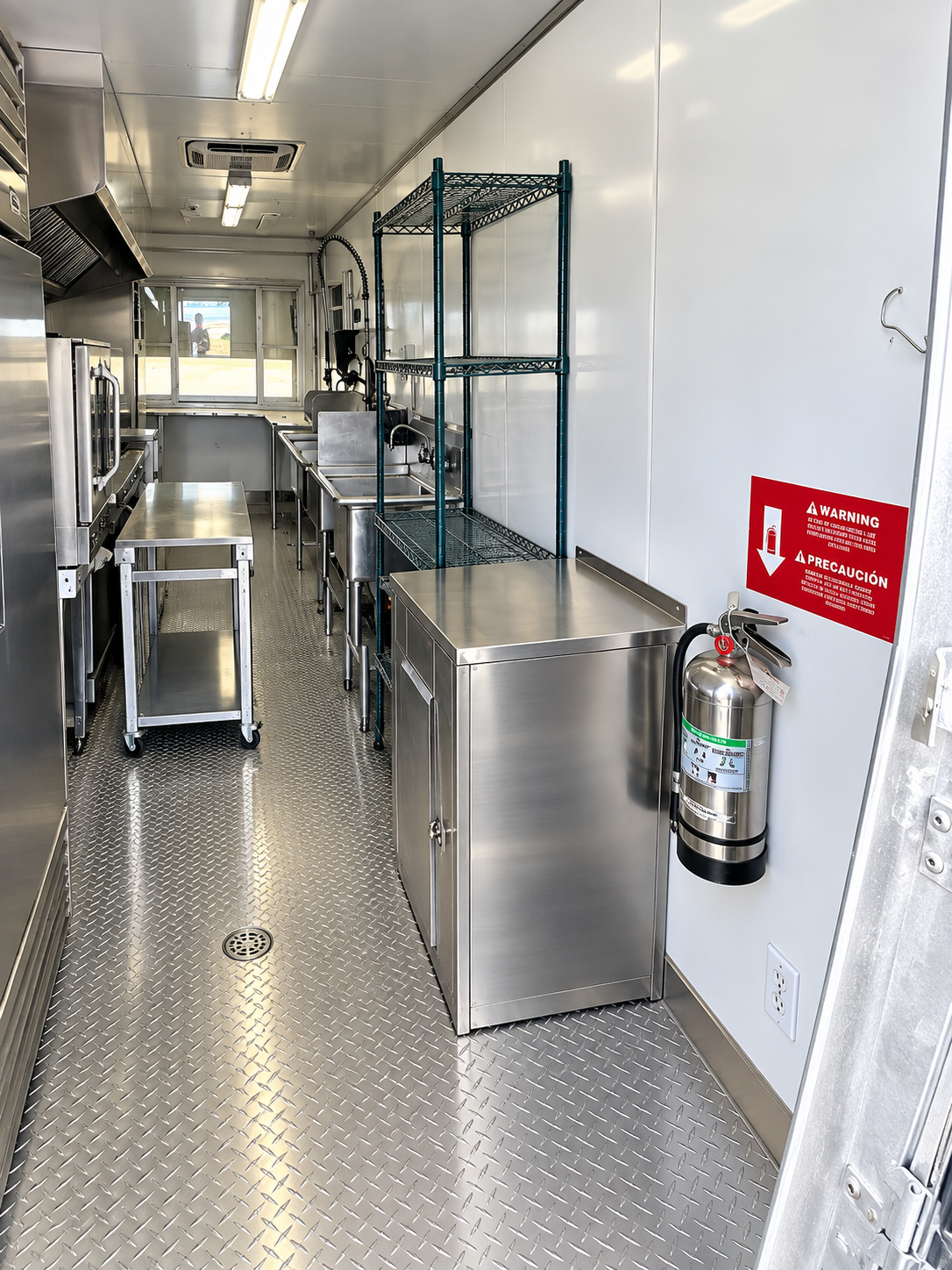
- Kitchen equipment from
- $6,390/month · 24 ft
- Delivery planning
- Delivery schedule confirmed in your quote
Choose the functions your team needs.
For Coffeeville, begin with the cooking line and the people working it. Compare a kitchen with the washing and cold storage that may also need a place in the setup.
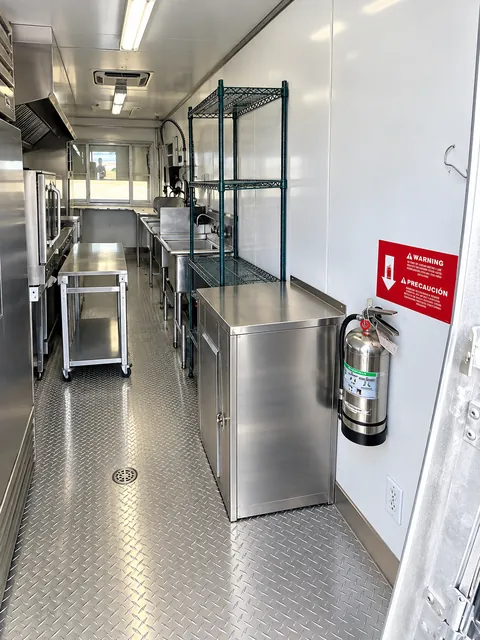
24ft Mobile Kitchen Trailer
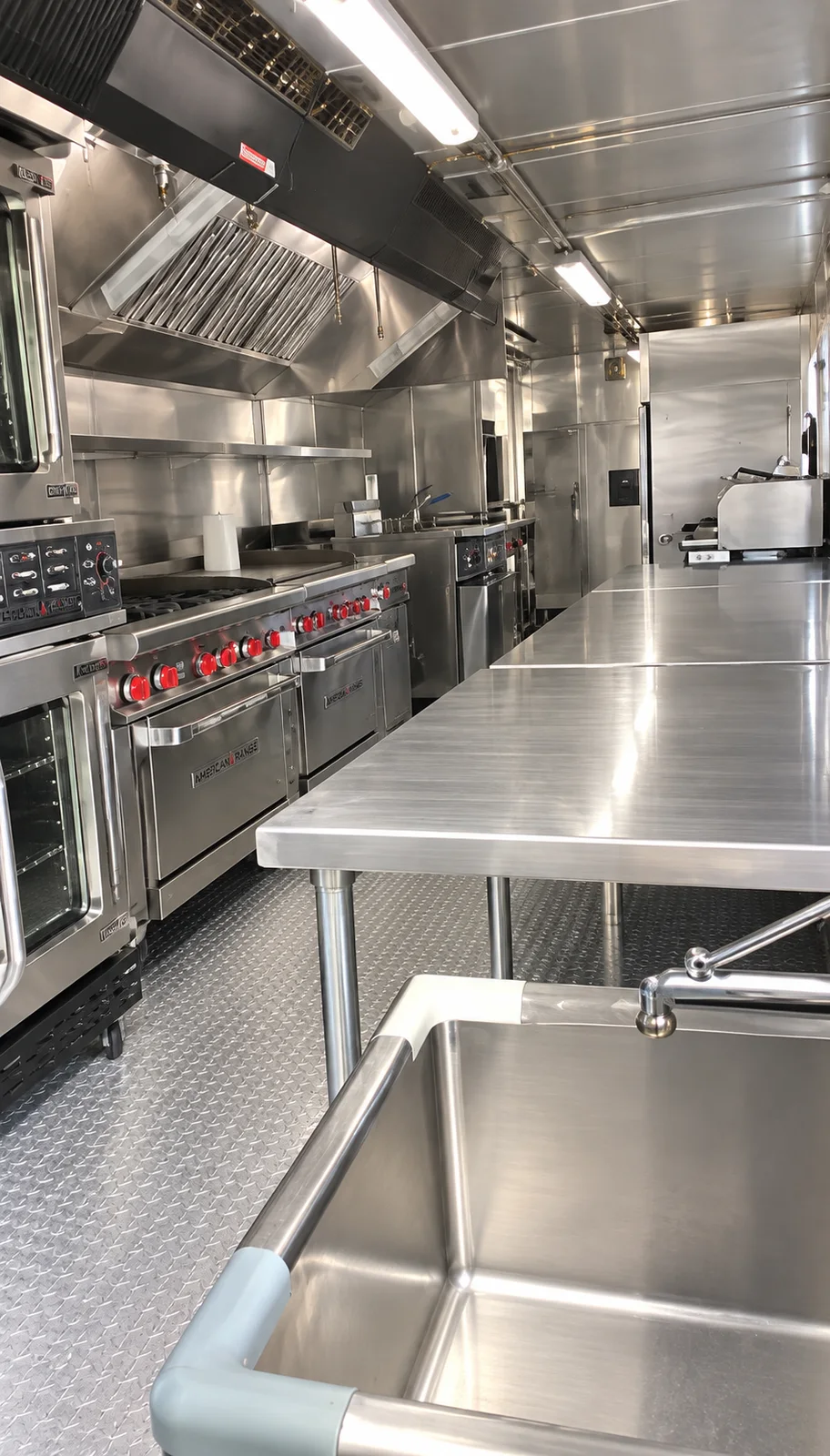
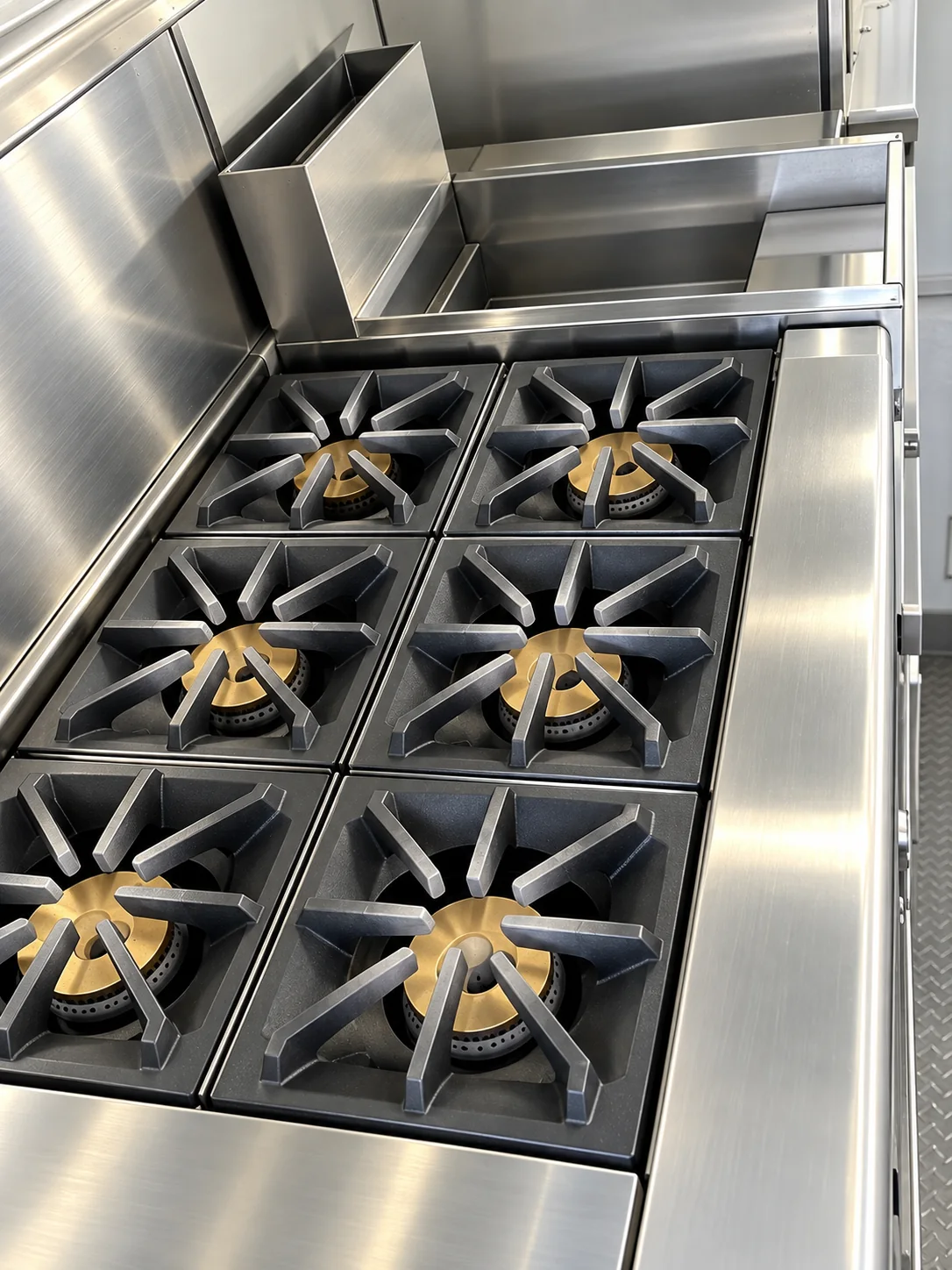
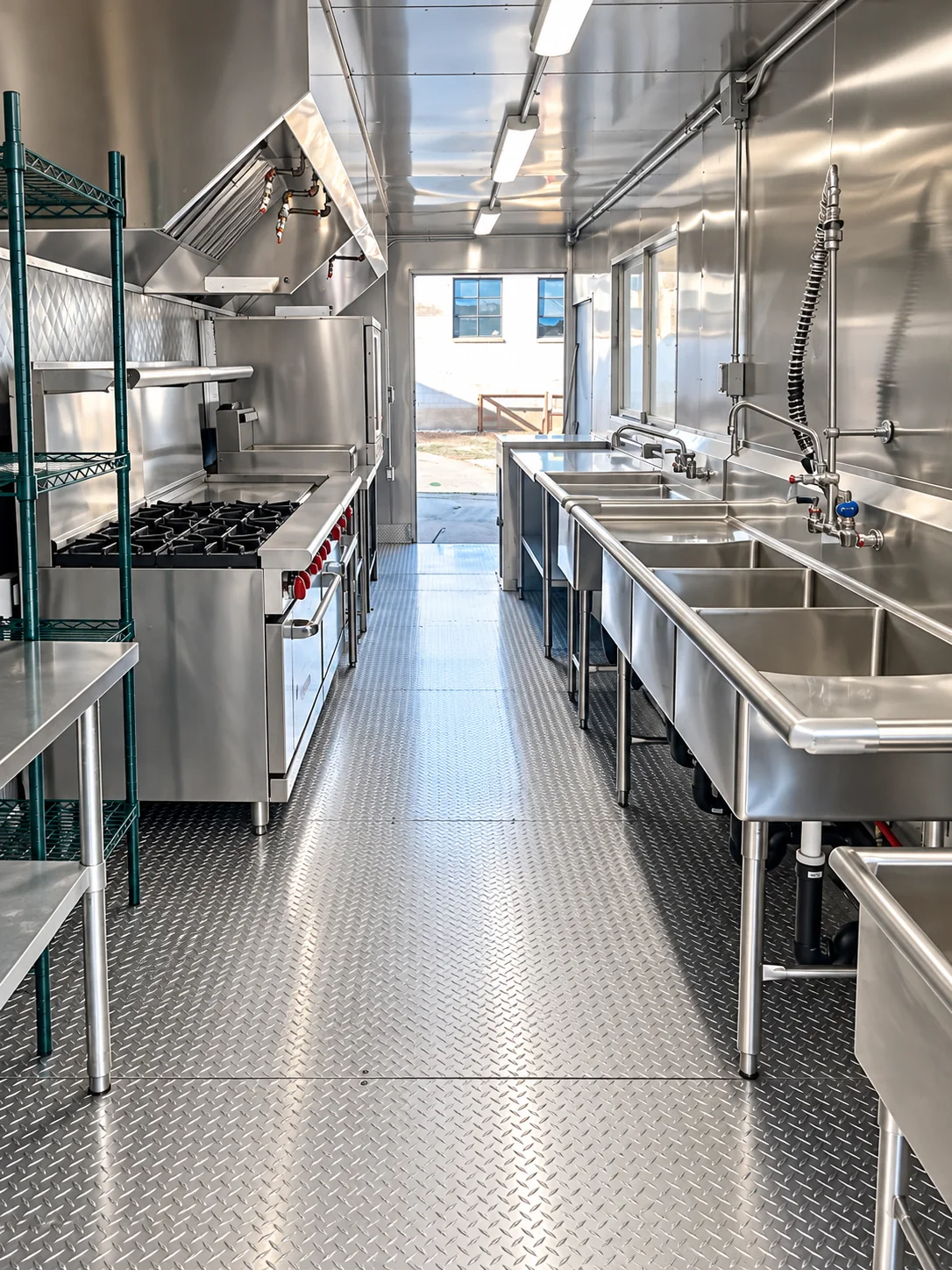
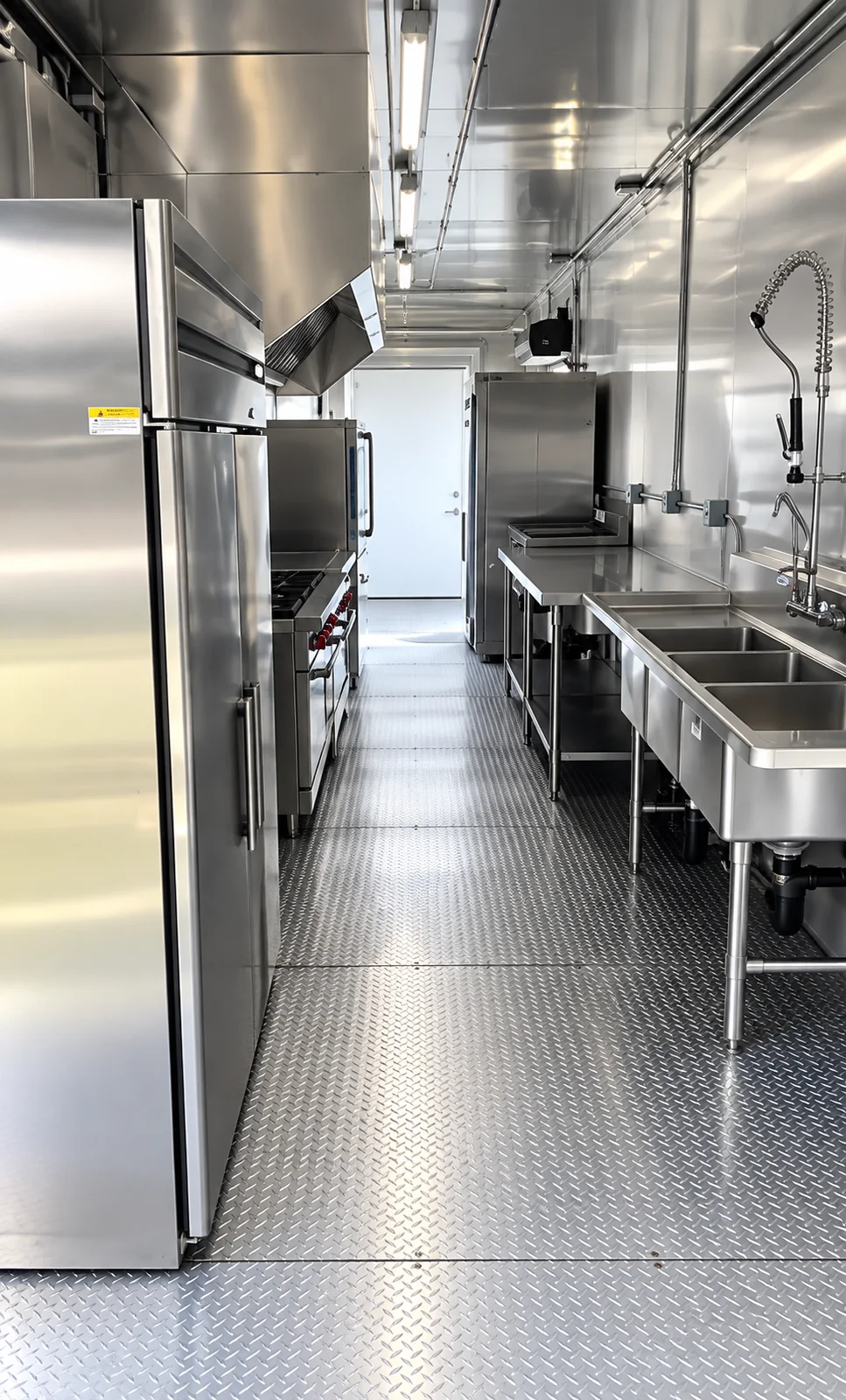
For a temporary mobile kitchen trailer rental in Alabama, keep a familiar oven, griddle, and range workflow in a compact temporary kitchen, with reach-in cold storage and sinks close to the cooking line.
View model details ↗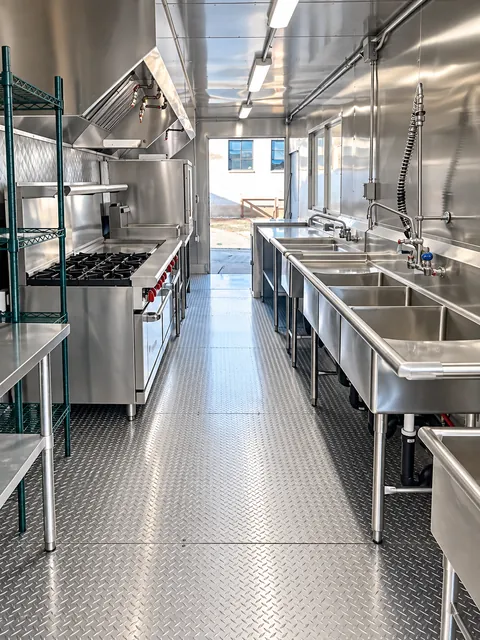
28ft Mobile Kitchen Trailer
For a portable mobile kitchen trailer rental in Alabama, bring oven, griddle, and range work into a 28ft temporary layout. Compare the working positions and handoff to service with the way your team actually cooks.
View model details ↗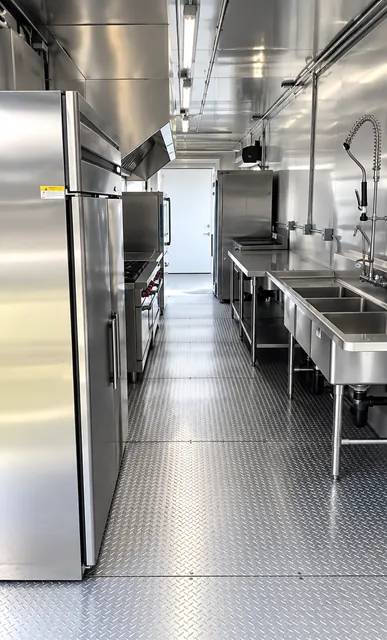
38ft Mobile Kitchen Trailer
For emergency mobile kitchen trailer rental in Alabama, combine frying, baking, griddle, and range cooking in a longer kitchen layout with reach-in refrigeration and freezer storage.
View model details ↗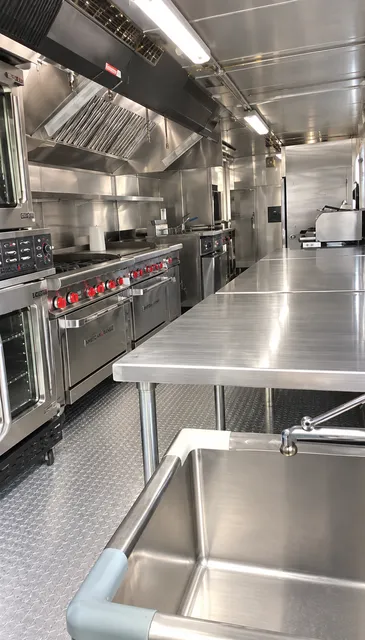
40ft Mobile Kitchen Trailer
For a commercial mobile kitchen trailer rental in Alabama, choose a broader cooking mix: double-stack convection oven, tilting skillet, fryer, griddle/oven, and range/oven, supported by reach-in cold storage.
View model details ↗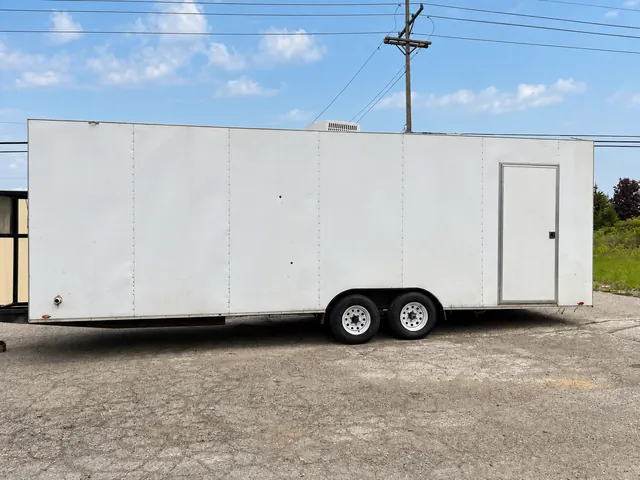
22–26ft Low-Temp Dishwashing Trailer
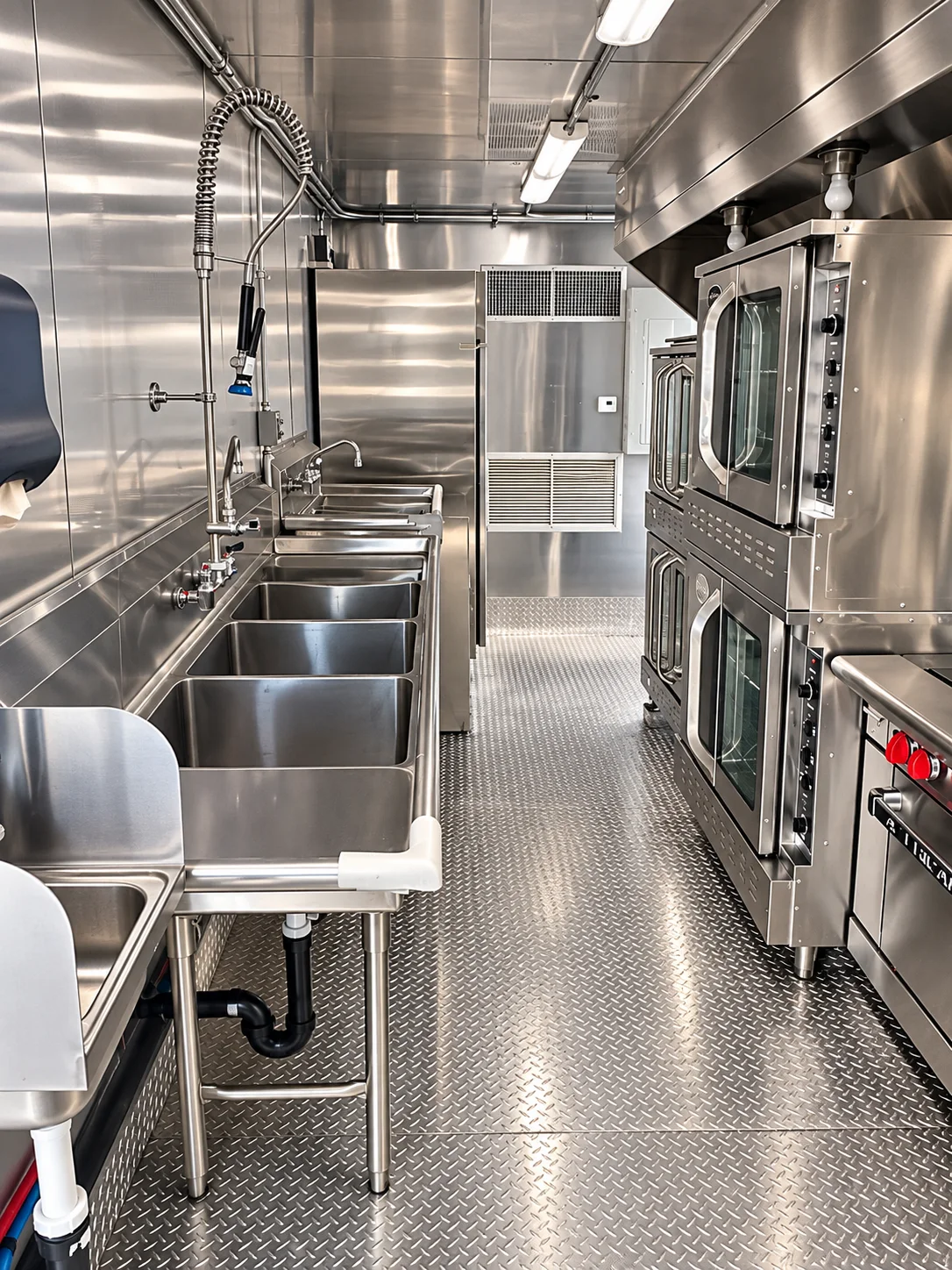
For a commercial dishwashing trailer rental in Alabama, move dish returns into a separate low-temperature push-through workspace. Compare the 22ft, 24ft, and 26ft layouts by the jobs around the machine.
View model details ↗
20ft Refrigerated Trailer
For a portable refrigerated trailer rental in Alabama, create temporary cold storage for a stock transfer, kitchen closure, or catered operation. Specify the holding temperature before choosing the 20ft unit.
View model details ↗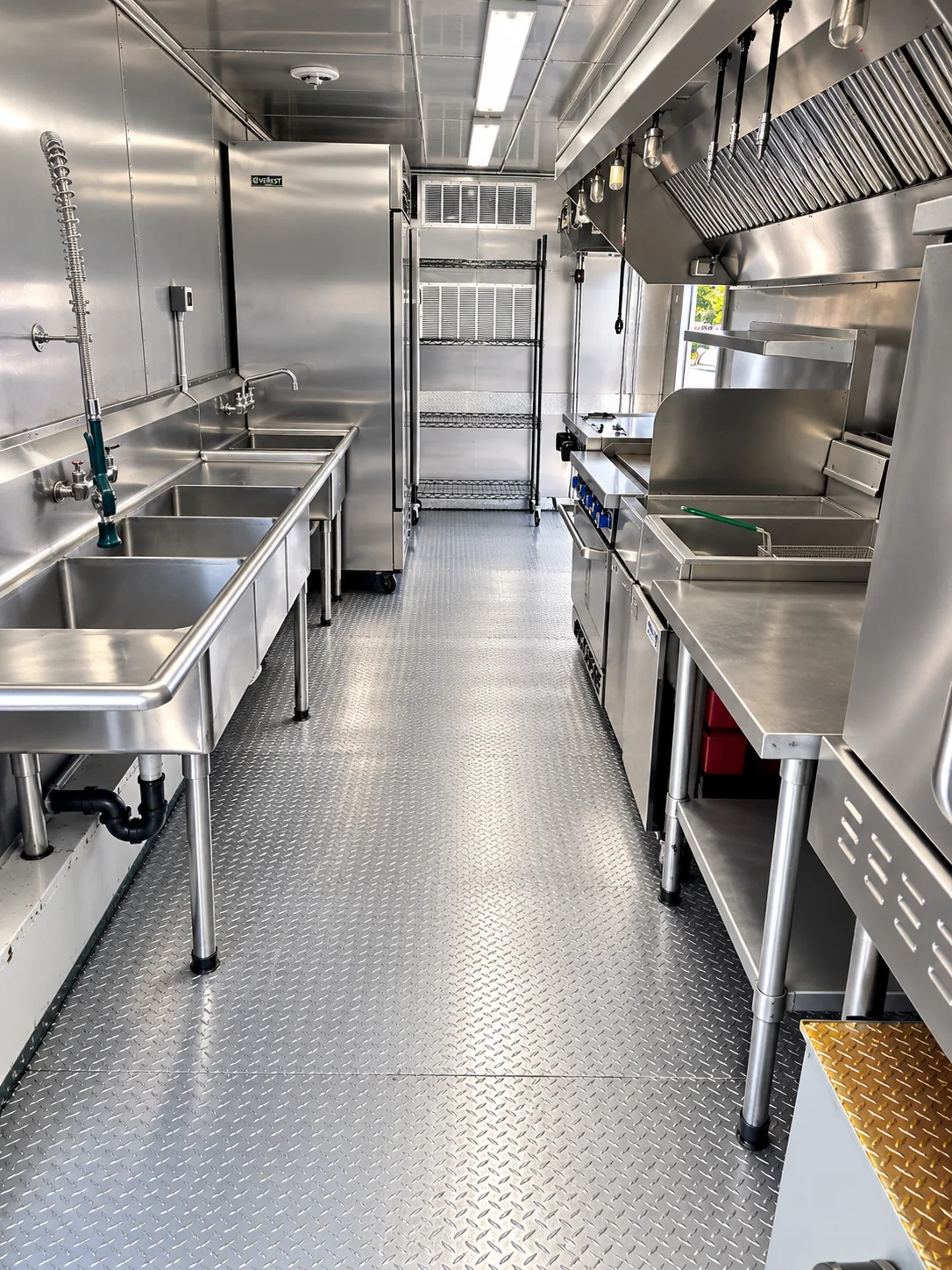
Sweet Water published a 2024 drinking water quality report
On May 27, 2024, the Town of Sweet Water posted its annual Consumer Confidence Report for the local public water system.
Cotton Became a Mainstay of Pennington’s Economy During the Depression
When the Great Depression began, Pennington’s economy turned toward cotton, while timber, fish and wild game remained important local resources.
State Grant Supports Lisman Street Resurfacing
Lisman’s 2025 Rebuild Alabama award covers resurfacing on six city streets, with one mile of roadway included in the state listing.
Start with the work.
Then choose the footprint.
Use length to narrow the options, then compare the cooking line, storage and power example for your Coffeeville, Alabama site. Models of the same length can have different equipment packages.
9 configurations to explore
Open the kitchen collectionThese are configuration examples. Your quote confirms the assigned unit, its equipment and the connections your site must provide.
Coffeeville’s first high school opened in 1926
A one-room schoolhouse served Coffeeville in the early twentieth century until a high school was built in 1926. Education sites continue to host busy schedules outside class hours. Modular kitchen facilities can support a school renovation crew or large community program while the permanent cafeteria stays focused on students.
The school’s growth reflected a town that had been adding new connections, including a telephone system in 1910 and its first automobiles around 1914.
Local background sources
Coffeeville began as Murrell’s Landing on the Tombigbee
By 1808, the settlement on the Tombigbee River was known as Murrell’s Landing, after early resident William Murrell. A town built around a landing had to coordinate freight, travelers, and meals along the river. A mobile kitchen trailer can support modern crews working on a landing or waterfront project from a designated service area.
Riverboats carried goods to and from Mobile, making the riverside landing an early commercial center for Clarke County.
Local background sources
Put a rate beside each kitchen size.
Use these listed starting rates to frame the Coffeeville budget conversation. The working layout, equipment requirements, and site still need a review before a size is selected.
24 ftMobile kitchen
Starting at$6,390per month
Review 24 ft kitchen options26 ftMobile kitchen
Starting at$6,590per month
Review 26 ft kitchen options28 ftMobile kitchen
Starting at$6,790per month
Review 28 ft kitchen options38 ftMobile kitchen
Starting at$7,790per month
Review 38 ft kitchen options40 ftMobile kitchen
Starting at$7,990per month
Review 40 ft kitchen options
Delivery, setup, site work, taxes, minimum duration, and final availability are confirmed separately in the project quote.
The Jim Folsom Bridge ended Coffeeville’s ferry crossing
A bridge over the Tombigbee opened in 1960 and replaced the ferry service that had carried travelers across the river. The bridge and dam projects changed how crews and residents reached the river’s opposite bank. A temporary kitchen trailer at a safe contractor base can feed bridge-maintenance workers without taking space on the bridge approaches.
Named for Alabama governor James E. “Big Jim” Folsom Sr., it brought road traffic across the water while the Coffeeville Lock and Dam was under construction.
Local background sources
Coffeeville gained electricity and paved streets in the 1930s and 1940s
Electricity became available in Coffeeville in 1935 through the Rural Electric Association of Cooperatives. Those improvements created infrastructure residents now rely on every day and crews must continue to maintain. A portable kitchen trailer can keep road or utility teams working nearby instead of taking meal breaks on narrow work shoulders.
The town reincorporated in 1938, and its first paved roads came through in 1948, marking a shift from rural access routes to a more permanent municipal network.
Local background sources
Silas paired its walking-trail grant with local matching funds
Silas: The town pledged $31,359 of local money alongside ADECA’s $125,435 federal trail award.
Hunt Oil received a permit to drill near Gilbertown in January 1944
Gilbertown: Alabama issued Hunt Oil Company a permit on January 2, 1944, to drill the A.R.
Congress renamed the river structure Coffeeville Lock and Dam in 1970
The river structure was first referred to as the Jackson Lock and Dam, but Congress changed its name to Coffeeville Lock and Dam in 1970. River infrastructure remains an active workplace for operators and maintenance contractors. An emergency portable kitchen can provide a meal base during repairs or scheduled maintenance while staying outside controlled access areas.
The new name tied the navigation landmark more directly to the nearby Clarke County town.
Local background sources
A stagecoach route and river ferry once met in Coffeeville
Coffeeville’s early transport system included a stagecoach route through town and a ferry across the Tombigbee. Travel corridors concentrate people who need a dependable place to stop. A mobile kitchen trailer at an approved modern ferry landing or road project can serve workers and visitors without blocking the route itself.
Farmers, timber workers, and travelers used those routes while goods moved by riverboat between Clarke County and Mobile.
Local background sources
Drainage and road repairs were bid on SR-17 northeast of Toxey
An ALDOT contract notice describes 0.166 mile of drainage-structure and roadway repair on State Route 17, south of Sparks Road and northeast of Toxey.
Millry Fire Rescue Answers a Lumber-Yard Call
Millry Fire Rescue responded to a commercial fire at Lassiter’s Lumber Yard in South Choctaw County late on November 8, 2025.
Timber Becomes Grove Hill’s Leading Industry
By the late nineteenth century, timber had become the most important part of Grove Hill’s economy.
Give the quote team a useful brief.
A few decisions make the Coffeeville conversation more practical. Gather the details that will shape the equipment, setup, and rental period.
Describe a full service.
List the menu, meals per service, staff working at once, and kitchen functions that will be unavailable. Include dishwashing, storage, and preparation work in that picture.
Walk the site on paper.
Record the delivery route, placement area, working clearances, and connections. A simple site plan helps put the trailer, staff access, and supporting facilities in the same conversation.
Put the dates together.
Bring the proposed rental period, construction or event milestones, and expected return to regular service. Confirm the equipment and delivery schedule through the project quote.
A 1955 public hearing changed the Coffeeville dam’s location
The Army Corps of Engineers held a public hearing in Jackson on February 10, 1955, after local residents objected to an earlier dam plan that would flood more land and risk timber near the reservoir. That change shows how residents’ concerns reshaped a major river project before construction began. During a modern waterfront planning process, a mobile kitchen trailer can serve a public meeting or site crew without reducing space for maps, comment stations, and access.
The project was moved upstream and its operating plan revised.
Local background sources
Coffeeville voted against Alabama’s secession in 1861
When Alabama held its secession vote in 1861, Coffeeville’s citizens voted against leaving the Union, although Clarke County as a whole voted for secession. That civic history gives Coffeeville a distinct story to share at public programs and school visits. A portable kitchen trailer at an approved heritage event can handle refreshments while keeping the historic narrative and exhibits at the center.
The local result placed the river town on the minority side of a consequential statewide decision.
Local background sources
Yellow Water Creek Plant Is Planned to Expand to 1.75 MGD
The wastewater proposal reported in 2025 includes expanding Jackson’s Yellow Water Creek treatment plant to a capacity of 1.75 million gallons per day.
A second lumber mill expanded Fulton’s industrial base
In 1890, investors from London, Ontario, bought a large tract near Fulton and opened the Scotch Lumber Company, competing with the Virgin Pine mill.
Thunderstorm Winds Took Down Trees and Lines Near Needham
NOAA’s storm record for November 15, 2006 reports that high winds blew down several trees and power lines near Needham.
The Mitcham War reached Coffeeville in the early 1890s
The Mitcham War was a period of political violence in Clarke County involving rural farmers from Mitcham Beat and merchants in Coffeeville and neighboring towns. The conflict grew from local divisions over politics and economic power rather than a distant battlefield. A commercial kitchen trailer could serve staff at a present-day history program exploring the county’s turbulent period without disrupting exhibits in an indoor venue.
Tensions surfaced during the 1892 gubernatorial contest between the Democratic and Farmer’s Alliance parties.
Local background sources
The Coffeeville Lock and Dam was dedicated in 1961
Construction of the lock and dam on the Tombigbee began in 1956, and the $21.6 million project was dedicated on April 7, 1961. Building a river control structure meant coordinating excavation, concrete work, access roads, and water-level changes. A portable kitchen trailer at a designated work base can keep a large infrastructure crew fed without placing meal service on the dam’s operating deck.
The project changed river navigation and created the reservoir that now bears Coffeeville’s name.
Local background sources
The Alabama, Tennessee, and Northern Railroad reached Chatom in 1906
The Alabama, Tennessee, and Northern Railroad built a line through Chatom in 1906, helping the small settlement grow beyond its early post-office period.
Water Main Work Advanced Along the East Pinetree Corridor
Thomasville reported in August 2026 that contractors had installed a new water main across East Pinetree Boulevard and were preparing the final connection on its east side.
An early Choctaw County courthouse burned in 1870
The courthouse built in Butler in 1848 burned in 1870 and was replaced that same year.
Before the Coffeeville plan takes shape.
Which rate should I use for an early budget?
The smallest listed kitchen is 24 ft, with a starting monthly equipment rate of $6,390. Compare the other listed sizes before choosing a budget allowance. Delivery, setup, site work, taxes, minimum duration, and final availability are confirmed separately in the project quote.
How is delivery timing set for Coffeeville?
Share the Coffeeville, Alabama address, target start date, chosen size, and access notes. Equipment availability and delivery timing are confirmed in the project quote.
What comes with a kitchen?
Each kitchen includes a stove, oven, and essential cooking utensils. Additional equipment options are available through 24/7 support.
When should I include washing or cold storage?
Include those functions in the discussion when existing washing or storage space will be unavailable, or when the cooking setup needs separate capacity. Review the equipment, connections, sanitation requirements, and availability with the rental team.
What makes a useful site brief?
Bring the address, dates, menu, meal counts, staff needs, delivery access, placement area, and available utilities. Add a site contact and review applicable permit and inspection requirements with the responsible local authority.
Bring us the Coffeeville brief.
Address, dates, menu, and working space: those details give the rental conversation a useful starting point. Add the facilities you need and confirm the rest in your quote.